
That is not an argument against them. It is an argument for choosing them knowingly.
Shingles are the lowest entry cost of any pitched roof material and the fastest to install. In the Sonoran Desert they also work harder than anywhere else, and their service life reflects that. That is not an argument against them. It is an argument for choosing them knowingly, and for spending the difference on the layers underneath rather than on the brand.


Asphalt Shingle Roofing Content
Three-Tab and Architectural
Three-tab is the flat, uniform shingle with visible cut-outs. It is the cheapest option available and the thinnest, which in a climate this hard on asphalt is a meaningful disadvantage.
Architectural or dimensional shingles are thicker, laminated from multiple layers, and carry more granule coverage. They cost more, generally carry higher wind ratings and longer warranty terms, and hold up better against ultraviolet exposure.
In Arizona the gap between the two is wider than in milder climates. Where budget allows, the upgrade is usually the better value.
Wind Rating
Shingles are rated for wind resistance, and the rating is only achieved when installation follows the manufacturer's published fastening pattern. A high-rated shingle nailed incorrectly performs like a low-rated one and voids the coverage that justified its price.
Ask what rating is specified and confirm the crew installs to the manufacturer's requirement rather than to habit. Monsoon wind is the load these ratings exist for.
Reflective and Cool-Roof Granules
Reflective shingle products exist and are worth considering. What we will not do is quote you an energy saving.
Solar reflectance and thermal emittance are measurable, and we will give you a product's rated figures. What they do to your cooling bill depends on insulation, attic ventilation, duct condition and location, air sealing, HVAC efficiency and how you use the building. The roof is one input among several and frequently not the largest.
Starter Strip and Ridge Cap
Two components that get substituted quietly and matter more than their cost suggests.
Purpose-made starter strip at the eaves and rakes bonds the first course correctly and is where wind uplift begins if it is wrong. Purpose-made ridge cap is thicker and formed for the bend, where cut-up field shingles used as cap crack at the fold.
Both are specified in manufacturer system warranties for a reason. Check they are in the scope by name rather than assumed.
Service Life, Honestly
We do not publish a shingle lifespan for Arizona. Product quality, installation, attic ventilation, roof color, pitch and exposure all move it substantially, and a single figure would be more marketing than information.
What is consistent is the mechanism: granules shed, ultraviolet reaches the asphalt, the mat goes brittle, and seal strips lose grip. Once seal strips fail, wind lifts shingles that heat had already compromised. See asphalt shingle roofing.
When Shingles Are the Right Answer
Shingles get treated as the budget option, which undersells where they genuinely fit.
They suit a structure not framed for tile, where the alternative is structural work rather than a material preference. They suit a property with a shorter intended holding period, where a longer-life material's advantage never gets realized. They suit complex roof geometry, where tile detailing gets expensive quickly. And they suit a roof already shingled where the association permits nothing else.
Layering Over Existing Shingles
Sometimes permitted, rarely the better decision, and worth understanding before someone offers it as a saving.
Layering hides the decking so nobody inspects it, adds weight to the structure, traps heat against the new layer in a climate where heat is the primary aging mechanism, and means the underlayment and flashings were never assessed. It also complicates the next replacement and can affect manufacturer coverage.
The money saved on tear-off is real. So is everything above.
Ventilation Is Part of the Product Decision
Attic ventilation affects how hot shingles run, which affects how fast they age. A shingle replacement is the natural moment to correct blocked soffit vents or inadequate exhaust, because it is considerably more expensive to address separately. See underlayment and ventilation.
Frequently Asked Questions
Are architectural shingles worth the extra cost in Arizona?
Usually, and more so here than in milder climates. They are thicker, carry more granule coverage, and generally have higher wind ratings and longer warranty terms. Since granule loss is the mechanism that starts shingle failure in a high-ultraviolet climate, the extra material is doing real work rather than only looking better.
What wind rating do I need?
That depends on your exposure and any local code requirement, and it is worth confirming rather than assuming. The more important point is that a rating is only achieved when installation follows the manufacturer's published fastening pattern. A high-rated shingle installed incorrectly performs like a low-rated one and loses its coverage.
Do reflective shingles lower cooling costs?
A reflective surface absorbs less solar heat, which is real and measurable, and we will give you a product's rated reflectance. Whether that changes your bill noticeably depends on insulation, ventilation, duct condition, air sealing and HVAC efficiency. We will not quote a savings figure, because nobody can predict it from the roof alone.
How long will a shingle roof last on my house?
We do not publish a figure, because product quality, installation, attic ventilation, roof color, pitch and exposure move it substantially. An inspection of an existing roof's granule condition, flexibility and seal integrity tells you far more about where that specific roof stands than any average would.
Ask what the underlayment spec is before you compare tile prices. Or call (480) 565-7663.
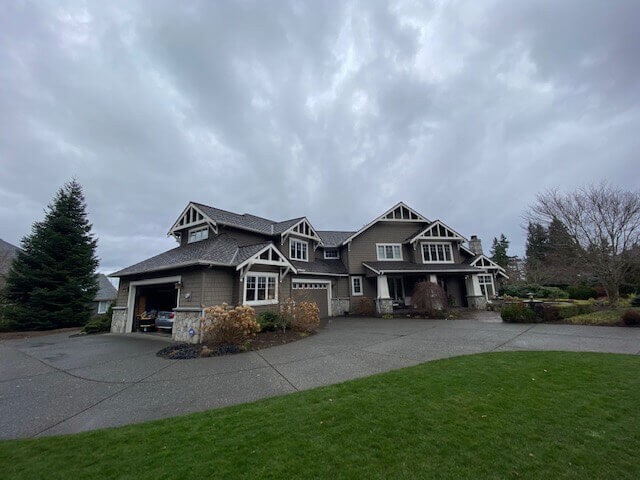
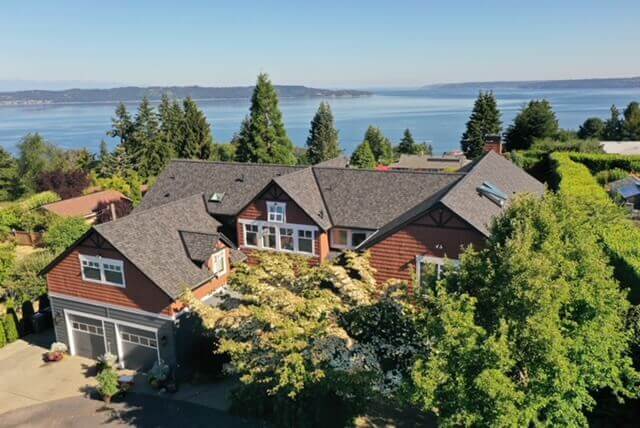
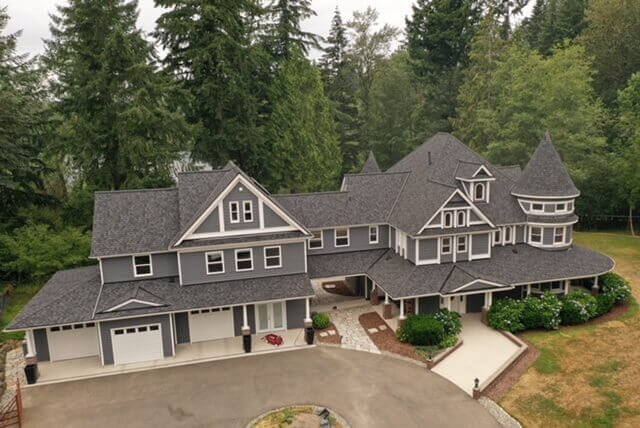
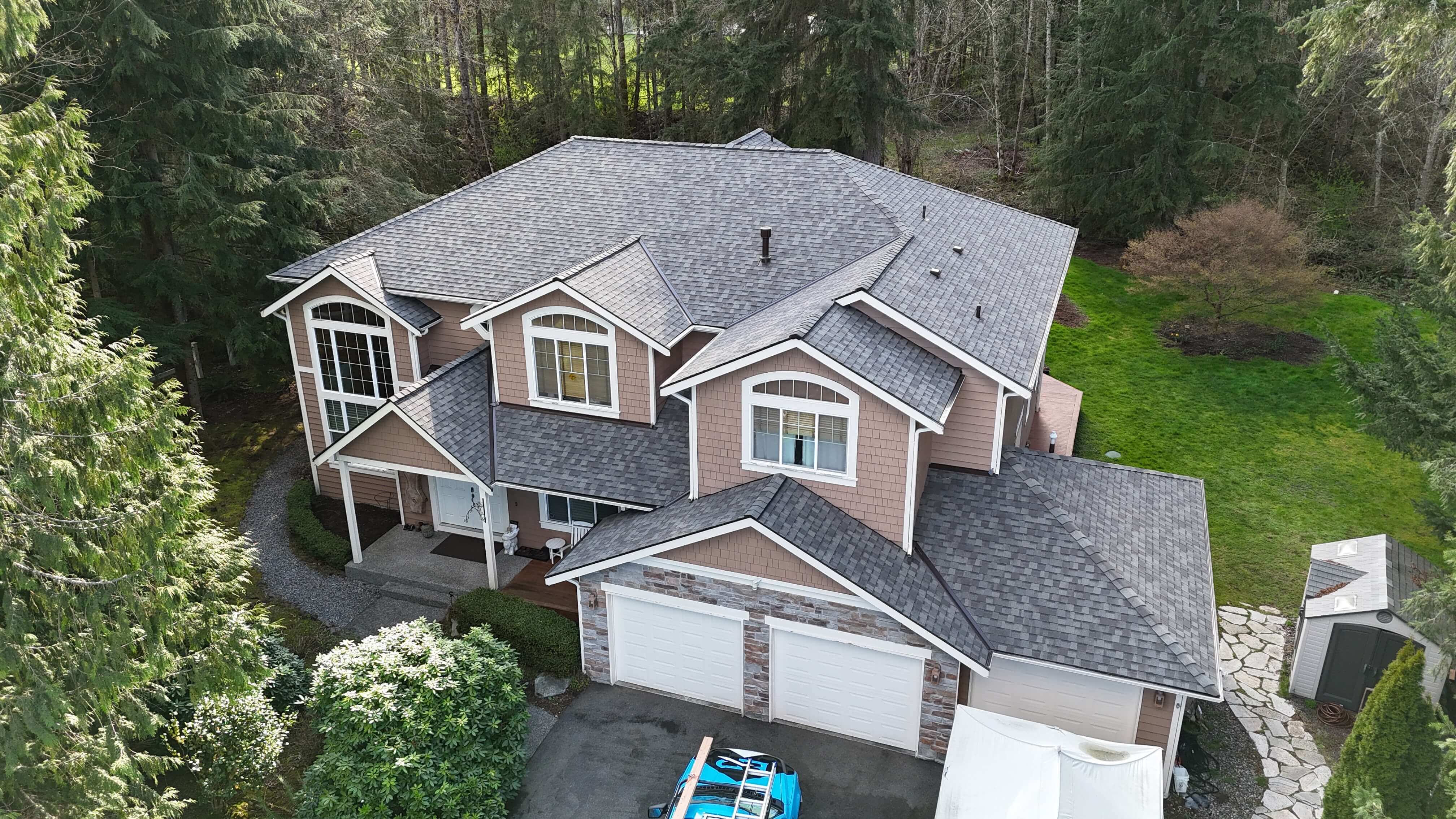
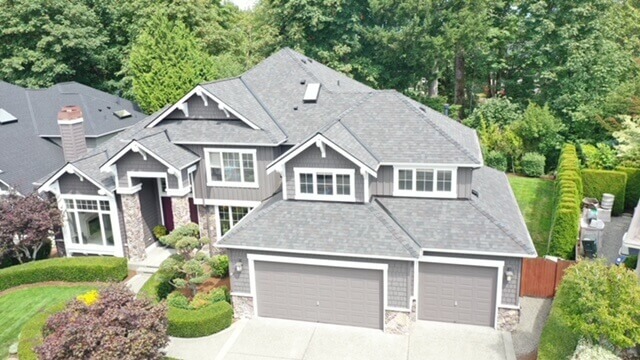
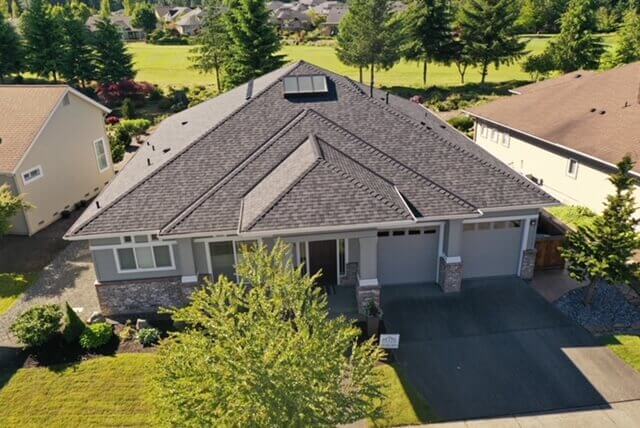
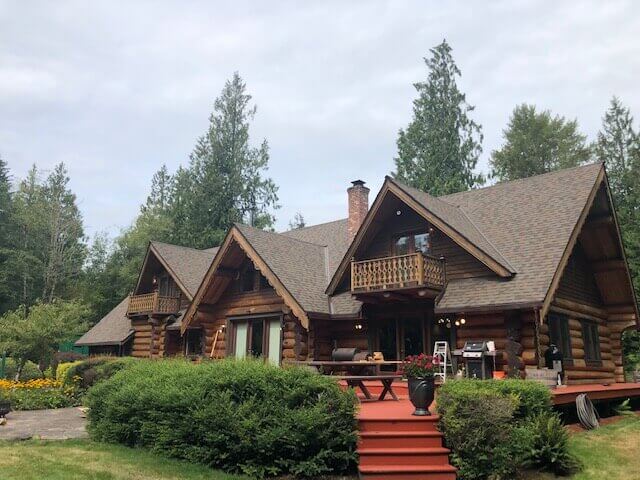
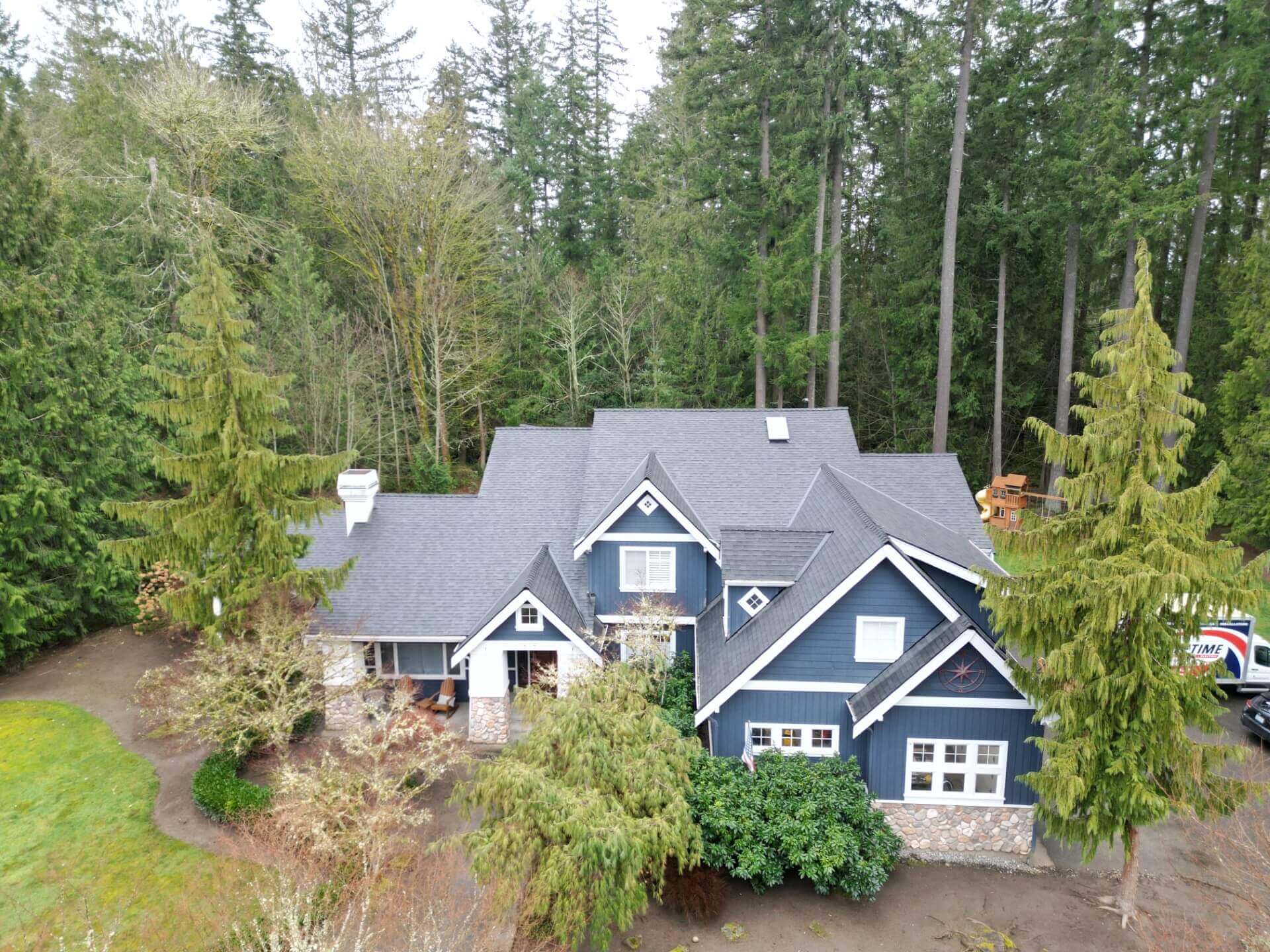
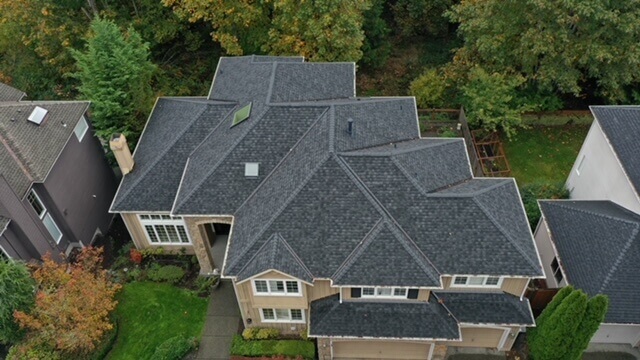
Asphalt Shingle Roofing Photo Gallery
Redirects
Videos


Arizona Roofs Need Arizona Thinking
Concrete and clay tile over underlayment. Asphalt shingles working against sustained heat. Flat and low-slope areas that move water in a completely different way from a steep roof. Foam and coatings that need compatible products and honest surface preparation. Most Phoenix-area properties have more than one of these, and the transitions between them are where a lot of leaks start.


