

What follows covers how foam is applied, what it does well, and the maintenance obligation that defines whether it is a good decision for your building.
Spray polyurethane foam is the Southwest's default low-slope roofing system, and on the right building it is genuinely well suited. It also carries an obligation that shingle and tile roofs do not, which anyone considering it should understand before choosing it.
Spray Polyurethane Foam Content
How It Is Applied
Foam arrives as two liquid components mixed at the spray nozzle. It expands on contact and cures into one continuous layer with no seams, laps or fasteners anywhere in the field.
That absence of joints is its real advantage. On a low-slope roof covered in penetrations, curbs and equipment, every seam and every lap is a potential failure point, and foam simply does not have them. It also self-flashes around penetrations, forming a continuous surface up and over them rather than relying on a separate detail.
Insulation Value
Foam is an insulating material as well as a roofing one, applied at a thickness that adds meaningful thermal resistance above the deck. That is a real property of the system rather than a marketing claim.
What we will not do is convert it into a utility saving for your building, because that depends on your existing insulation, duct condition, air sealing and equipment. We will tell you the applied thickness and its rated value.
The Obligation
Foam degrades under ultraviolet exposure. It cannot be left bare, and it depends entirely on a protective coating over the top.
That coating is a wear layer by design. It thins, chalks and eventually needs renewing, and recoating is not a repair or an upgrade. It is how the system is built to be maintained.
Caught while the foam beneath is dry and sound, recoating is straightforward and relatively inexpensive. Left until the coating has worn through and the foam has been exposed, the foam degrades and begins absorbing water, and wet foam has to be cut out and replaced rather than coated over.
That is the whole risk profile of a foam roof: excellent if maintained on schedule, expensive if deferred. See roof coating systems.
Foot Traffic
Foam damages under foot traffic more readily than people expect, and a puncture on a low-slope roof has water sitting directly on it rather than running past. Where anyone routinely walks the roof to reach equipment, walkpads along that route prevent a category of damage that is otherwise inevitable.
Foam Against a Membrane, Practically
On a low-slope roof the realistic alternatives are foam or a membrane system, and the choice usually comes down to two things.
How many penetrations does the roof have? Foam self-flashes around pipes, curbs and equipment as one continuous surface. A membrane needs a detail at each one, and details are where low-slope roofs fail. On a crowded roof that difference is substantial.
Who will maintain it? Foam needs recoating on a schedule. A membrane does not have that same recurring obligation. For an owner-occupier who will attend to it, foam's advantages are real. For a property that changes hands or lacks a maintenance budget, the obligation frequently goes unmet and the system fails early.
What Recoating Actually Costs You
We do not publish prices, but the shape of it is worth understanding: recoating a sound foam roof is a fraction of replacing it, and it can be repeated. That is the economic case for the system.
The case collapses if recoating is deferred until foam is exposed and wet, because wet foam is cut out and replaced rather than coated over. The gap between those two scenarios is the single largest variable in foam roof ownership.
Where Foam Is Not the Answer
On a roof where moisture is already trapped in the assembly, foam applied over the top seals the problem in. On a deck that needs repair, the repair comes first. And on a building where nobody will commit to periodic recoating, a system that depends on maintenance is the wrong choice regardless of its other merits.
Spray polyurethane foam is confirmed as a system Elite Roofing installs.
Frequently Asked Questions
How often does a foam roof need recoating?
It depends on original coating thickness, product type, sun exposure, foot traffic and maintenance history rather than a fixed interval. Periodic inspection identifies wear while recoating is still viable. Because the coating is what protects the foam from ultraviolet damage, treating recoating as required maintenance rather than an optional upgrade is the correct framing.
Is a foam roof a good choice for a house?
For low-slope sections it frequently is, particularly over patios, casitas and additions where the absence of joints handles penetrations well. The question to answer honestly first is whether you will commit to periodic recoating, because a system that depends on maintenance is the wrong choice if that maintenance will not happen.
Can foam be applied over my existing roof?
Sometimes, and it depends entirely on whether the existing assembly is dry and sound. Foam applied over trapped moisture seals the problem in, where it continues damaging insulation and decking out of sight. A moisture survey establishes this before any proposal, and a contractor who has not done one has not established it.
Does foam roofing add insulation?
Yes. Foam is applied at a thickness that adds meaningful thermal resistance above the deck, and that is a genuine property of the system. We will tell you the applied thickness and its rated value. We will not convert that into a utility saving, since your bill depends on existing insulation, ducts, air sealing and equipment as well.
Ask what the underlayment spec is before you compare tile prices. Or call (480) 565-7663.
Spray Polyurethane Foam Photo Gallery
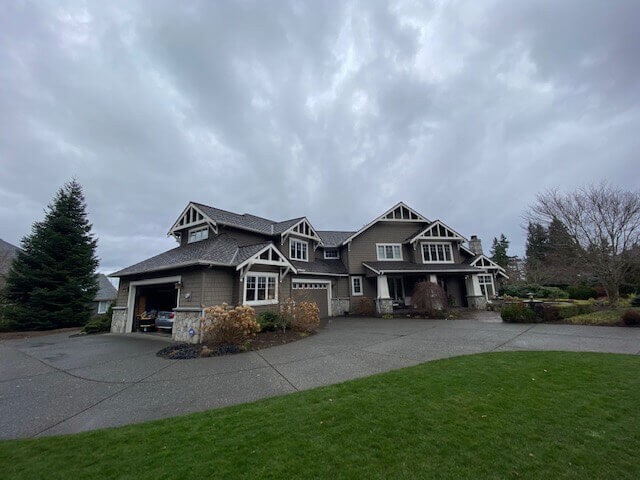

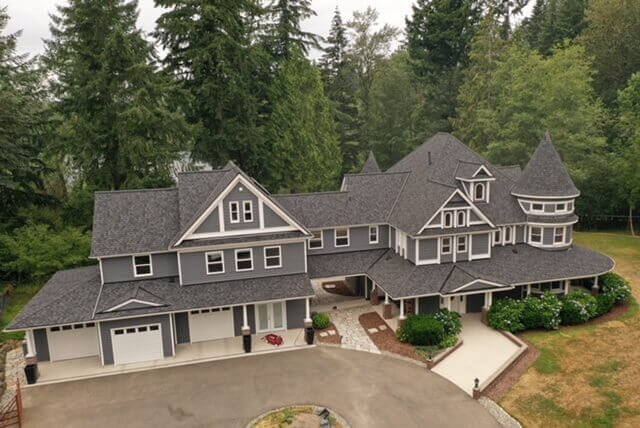
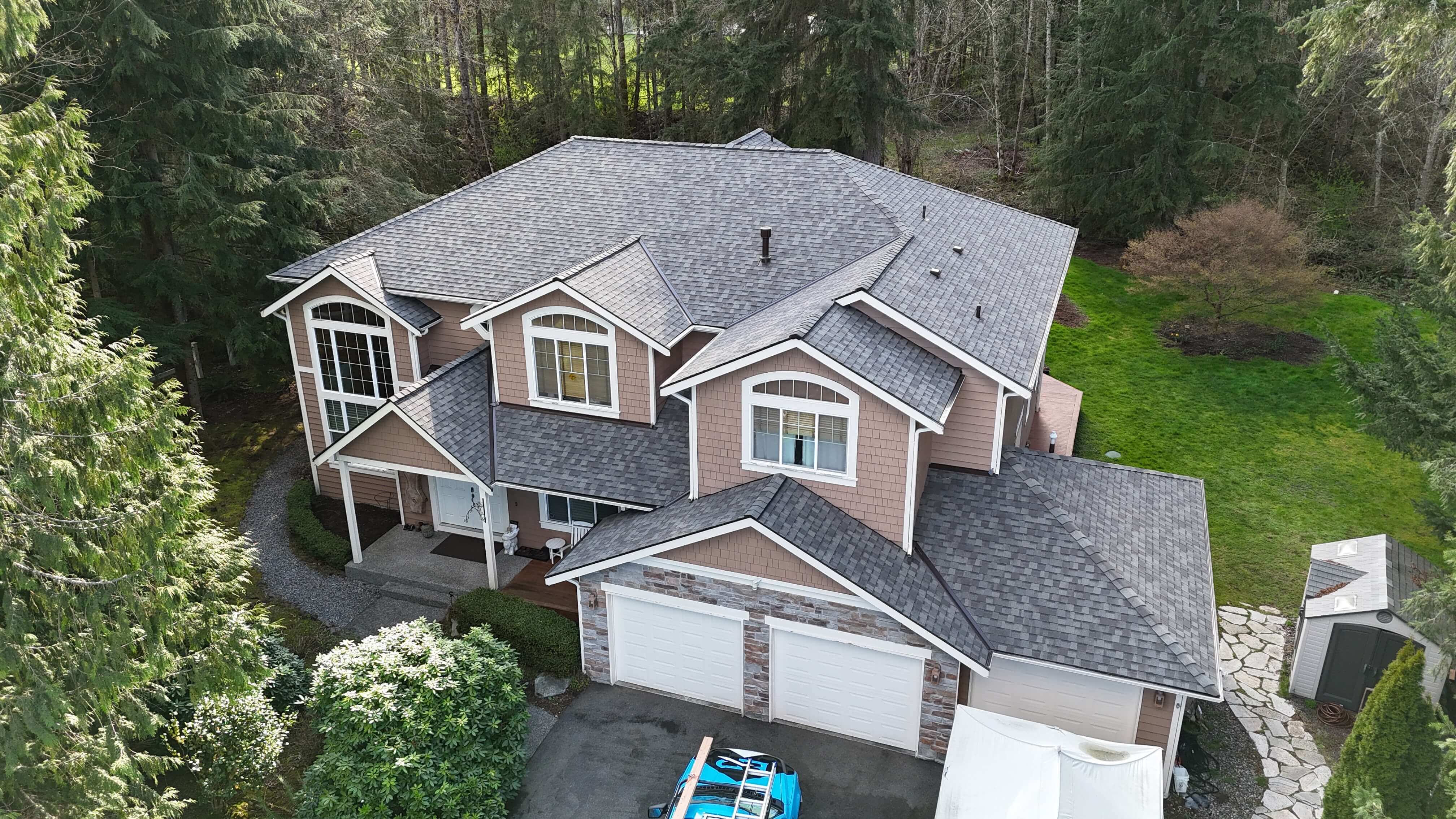
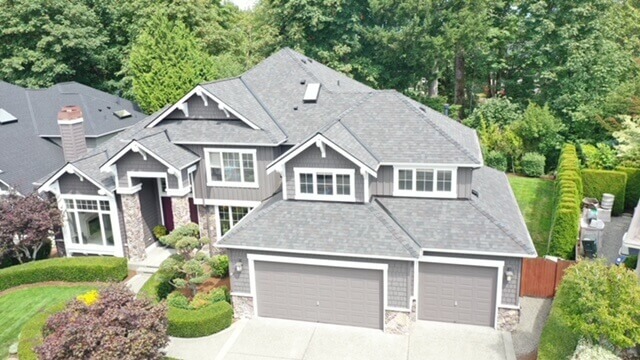
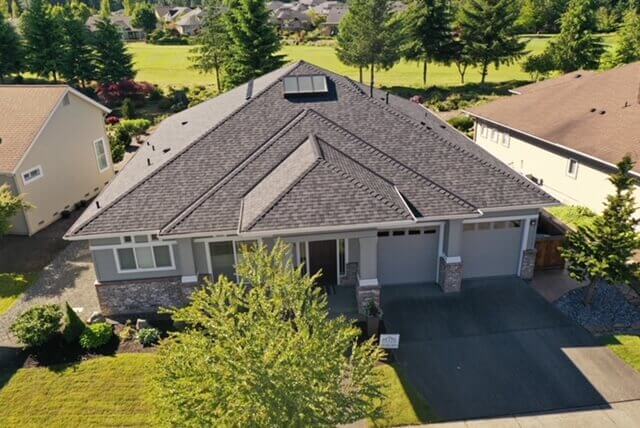
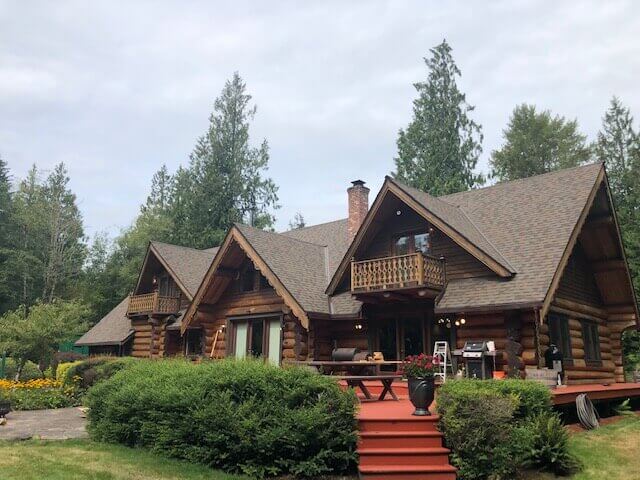
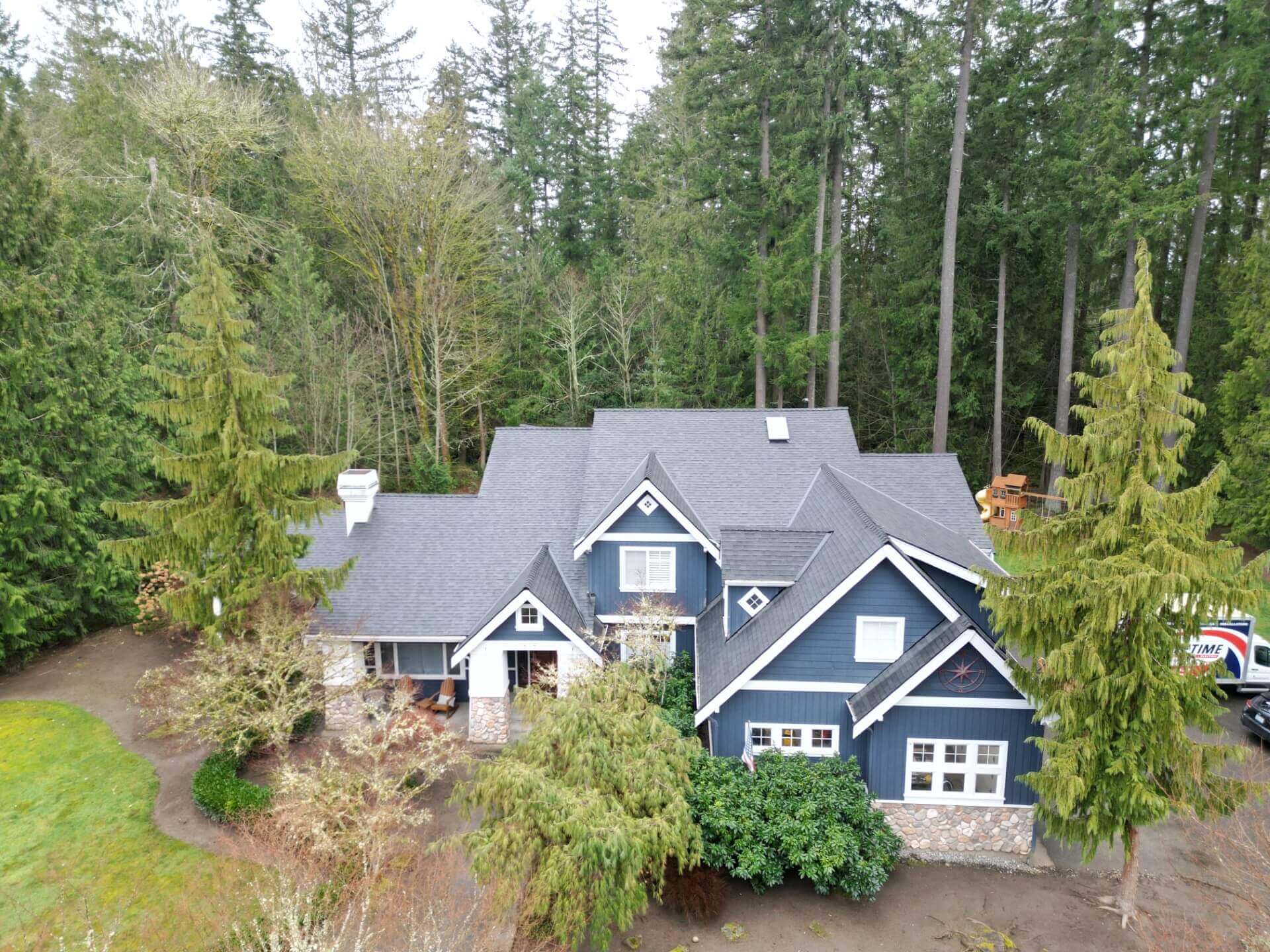
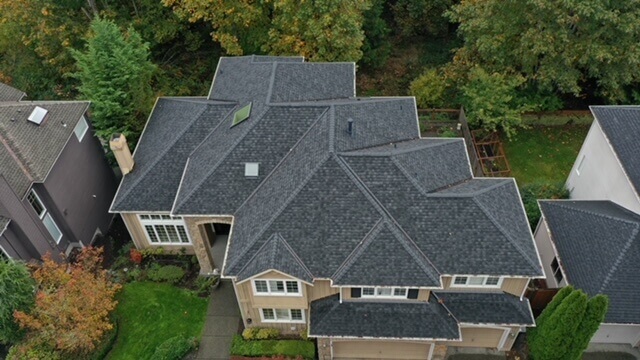
Redirects
Composition Shingle Roofing FAQs:
How much does composition roofing cost in Seattle?
In Seattle, prices vary based on shingle type and home size—but generally range between $4–$15 per square foot installed. Architecturals cost more than 3‑tabs but last longer. To get accurate pricing for your home, request a free estimate.
What types of composition shingles are available?
You’ll usually see:
-
3‑Tab: Budget-friendly, 15–25 yr life
-
Architectural (Dimensional): More durable and stylish, 25–30 yr life
-
Luxury/Designer: Premium look, 30–50 yr life
Will composition shingles handle Seattle windstorms?
Yes—as long as installation is solid, shingles withstand wind and coastal storms well. Wind resistance ratings are available for extra peace of mind.
Do composition roofs work in damp, moss-prone climates?
Absolutely. Properly ventilated and maintained composition shingles resist moisture—and algae/moss—effectively when cleaned annually.
How long should I expect the composition shingle roofing to last?
Expect 20–50 years, depending on composition roofing shingle quality, climate, and upkeep. Architecturals offer durability on par with more expensive options without the cost
Videos


Arizona Roofs Need Arizona Thinking
Concrete and clay tile over underlayment. Asphalt shingles working against sustained heat. Flat and low-slope areas that move water in a completely different way from a steep roof. Foam and coatings that need compatible products and honest surface preparation. Most Phoenix-area properties have more than one of these, and the transitions between them are where a lot of leaks start.


