
Chemistry, thickness and preparation decide whether a coating lasts. The sections below cover all three, and why the second one explains most price differences.
Coatings do two jobs: they protect what is underneath, and they reflect sunlight. On a foam roof the first is not optional, because the coating is what keeps ultraviolet off the foam. On a foam roof the first job is not optional, because the coating is the only thing keeping ultraviolet light off the foam beneath it.
Roof Coating Systems Content
The Main Chemistries
Silicone handles standing water better than most alternatives, which matters on a roof with imperfect drainage. It holds up well under ultraviolet exposure. It also tends to hold dirt, which reduces reflectance over time, and it can be slippery when wet.
Acrylic is water-based, generally less expensive, and typically offers high initial reflectance. It is less tolerant of ponding water, so it suits roofs that drain properly rather than roofs that do not.
Elastomeric describes a property rather than one chemistry: the ability to stretch and recover with thermal movement. Given how much a desert roof expands and contracts across a day, that matters.
Coating systems are confirmed as a service Elite Roofing offers, with the specific chemistry chosen per roof.
Applied Thickness Is the Whole Ballgame
This is the single most useful thing to understand about coating quotes, and it explains why they vary so widely.
Coatings are specified, sold and warranted by applied thickness, measured in mils. Applying thinner covers more roof for less material, costs less, looks identical on the day, and fails sooner.
Two proposals naming the same product can be quoting materially different jobs. Ask for the product name and the specified dry film thickness in writing. A coating proposal without both is not comparable to one that has them.
Reflectance and Emittance
Coatings carry rated solar reflectance and thermal emittance figures. Ask whether they come from a recognized rating body or from the manufacturer's marketing, and ask for the aged figure as well as the initial one.
Reflectance declines as surfaces accumulate dirt, with most of the decline typically in the early years, so the aged number is the more useful one for planning.
Adhesion Testing
A small test patch applied and pulled after cure tells you whether the coating will bond to your actual roof, as opposed to whether it bonds to the substrate in a manufacturer's laboratory.
It costs very little and it is skipped constantly. On any roof with an existing coating, an unusual substrate or a history of surface treatment, a proposal that includes adhesion testing is worth more than one that does not, and the difference in price is smaller than the difference in risk.
Preparation Is Most of the Work
Cleaning, removing contamination, repairing damage, and priming where required take longer than application on most projects. Coating jobs that fail early almost always failed at preparation.
A quote that is low because preparation is thin is not a saving. See roof coatings and cool roofing.
Restoration Against Replacement, Economically
On a sound, dry assembly a restoration combining repairs with a full recoat resets service life at a fraction of replacement cost, and it can often be repeated when it wears.
That is a genuinely good outcome and it is why coatings are worth taking seriously rather than treating as a cheap fix. A building owner who catches the cycle correctly can extend an assembly for a long time without ever facing a full tear-off.
The same proposal on a roof that needed replacement buys a short deferral, and you then pay for replacement anyway plus the coating. Which scenario you are in is established by moisture survey, not by opinion.
Warranty Terms Worth Reading
Coating warranties vary more than most roofing coverage, so a few specifics matter.
- Whether labor is included or the warranty covers material only
- Whether a manufacturer inspection is required at installation or periodically afterward
- Whether the applicator must hold manufacturer approval for the tier offered
- What maintenance is required to keep it in force, since neglect is a common exclusion
- Whether ponding water voids or limits coverage, which matters on an imperfectly drained roof
What a Coating Cannot Do
It cannot fix a wet roof, correct drainage, repair a damaged deck, or substitute for replacing an assembly at the end of its life. Applied over trapped moisture it seals the problem in and makes the eventual repair larger.
Frequently Asked Questions
Which roof coating is best?
It depends on the substrate, drainage and exposure rather than being a single answer. Silicone handles standing water better, which suits roofs with imperfect drainage. Acrylic typically offers high initial reflectance at lower cost but is less tolerant of ponding. The existing surface and any previous coating also constrain what will adhere.
Why do coating quotes vary so much?
Most often because of applied thickness, which is how coatings are specified, sold and warranted. Applying thinner covers more roof for less material and fails sooner, while looking identical on the day. Ask for the product name and specified dry film thickness in writing, or the quotes are not comparable.
How long does a roof coating last?
It depends on the product, applied thickness, surface preparation, sun exposure, foot traffic and drainage. Coatings are a wear layer intended to be renewed periodically rather than being permanent. On a well-prepared candidate roof, a coating can often be reapplied when it wears, extending the assembly repeatedly over many years.
Will a coating stop my roof leaking?
Only if the leak is a surface defect on an otherwise sound and dry assembly. Coating cannot correct drainage, repair decking, or address moisture already trapped in the assembly, and applied over a wet roof it seals the problem in. Leaks are diagnosed and repaired before any coating goes down.
Ask what the underlayment spec is before you compare tile prices. Or call (480) 565-7663.
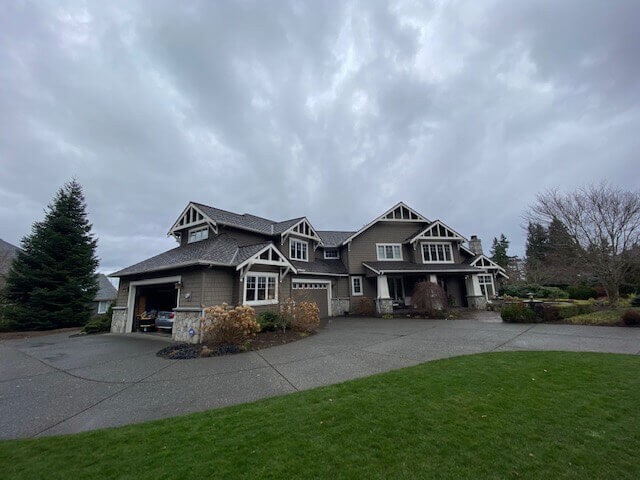
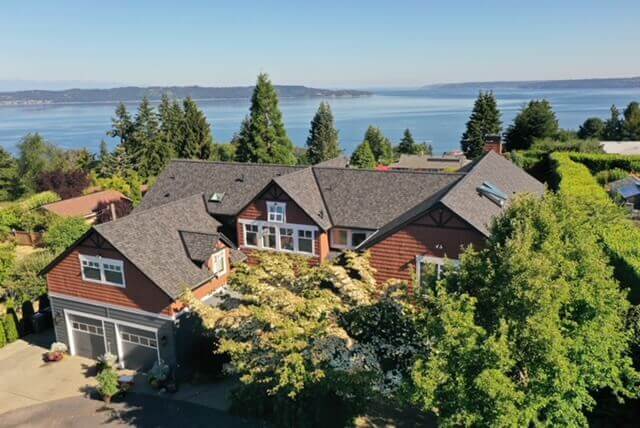
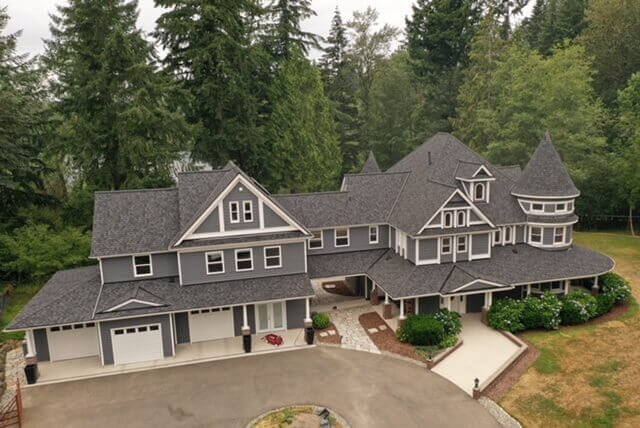
Roof Coating Systems Photo Gallery
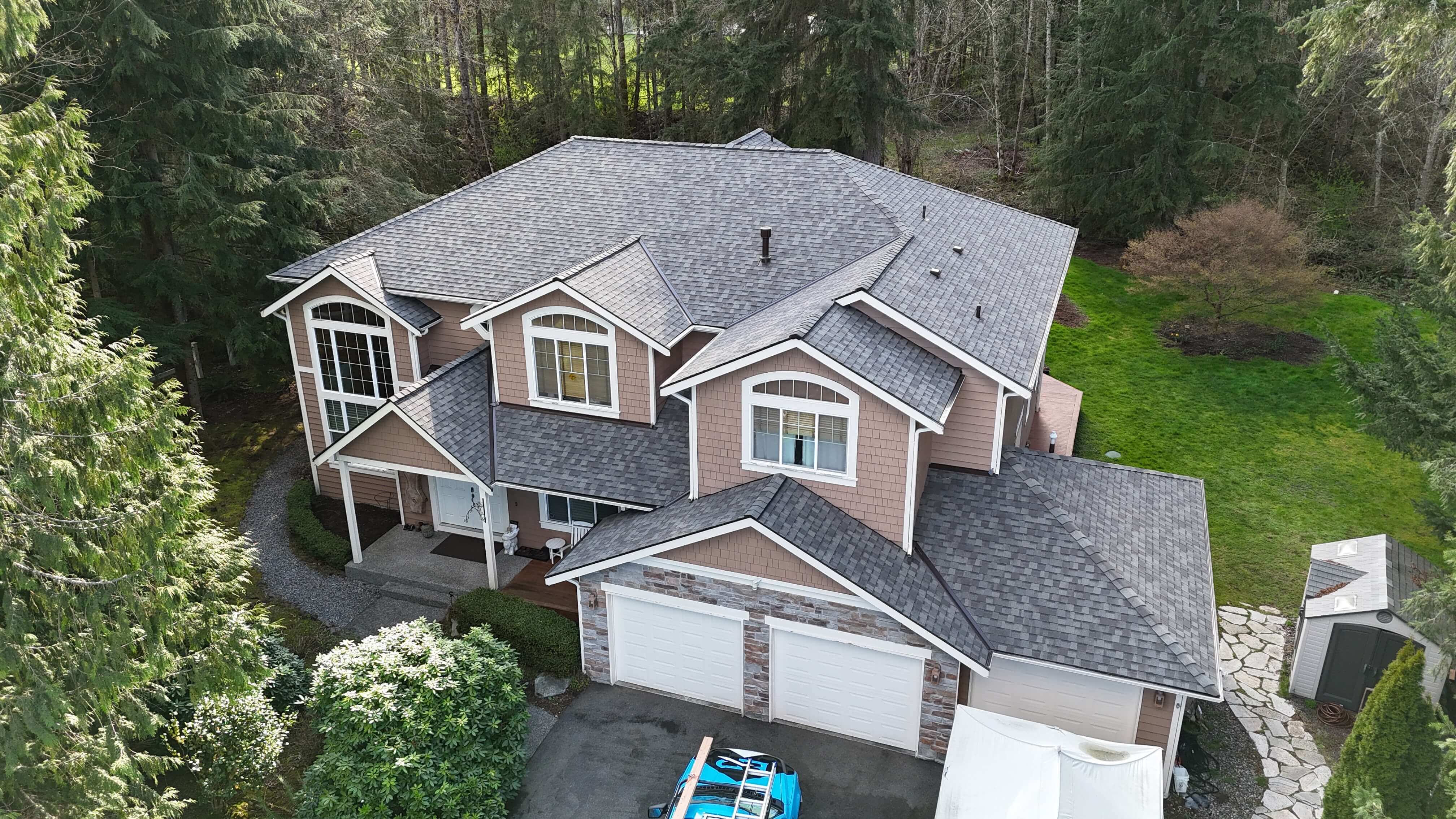
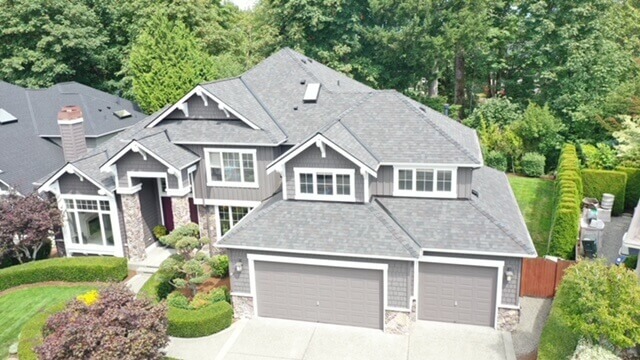
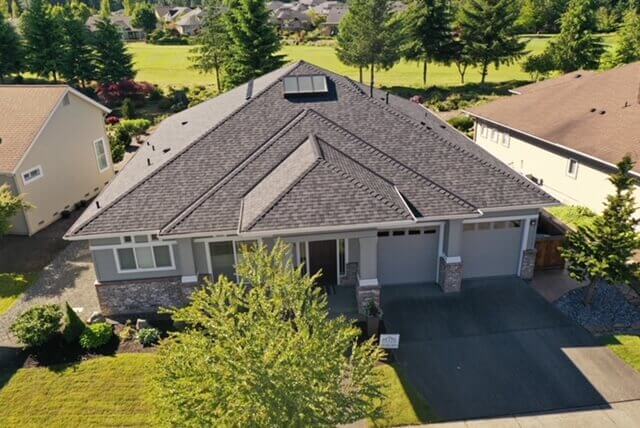
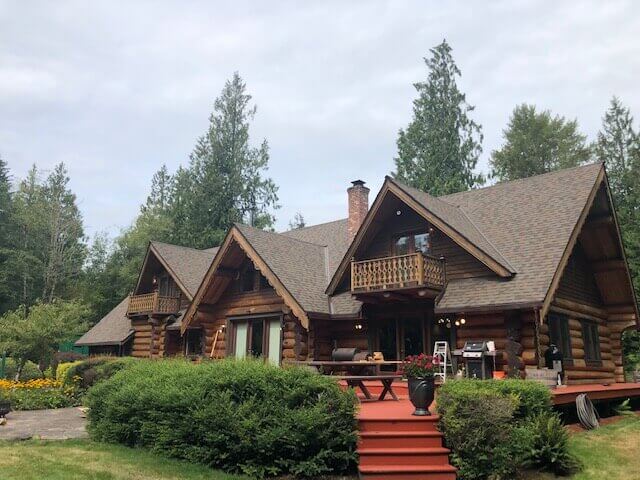
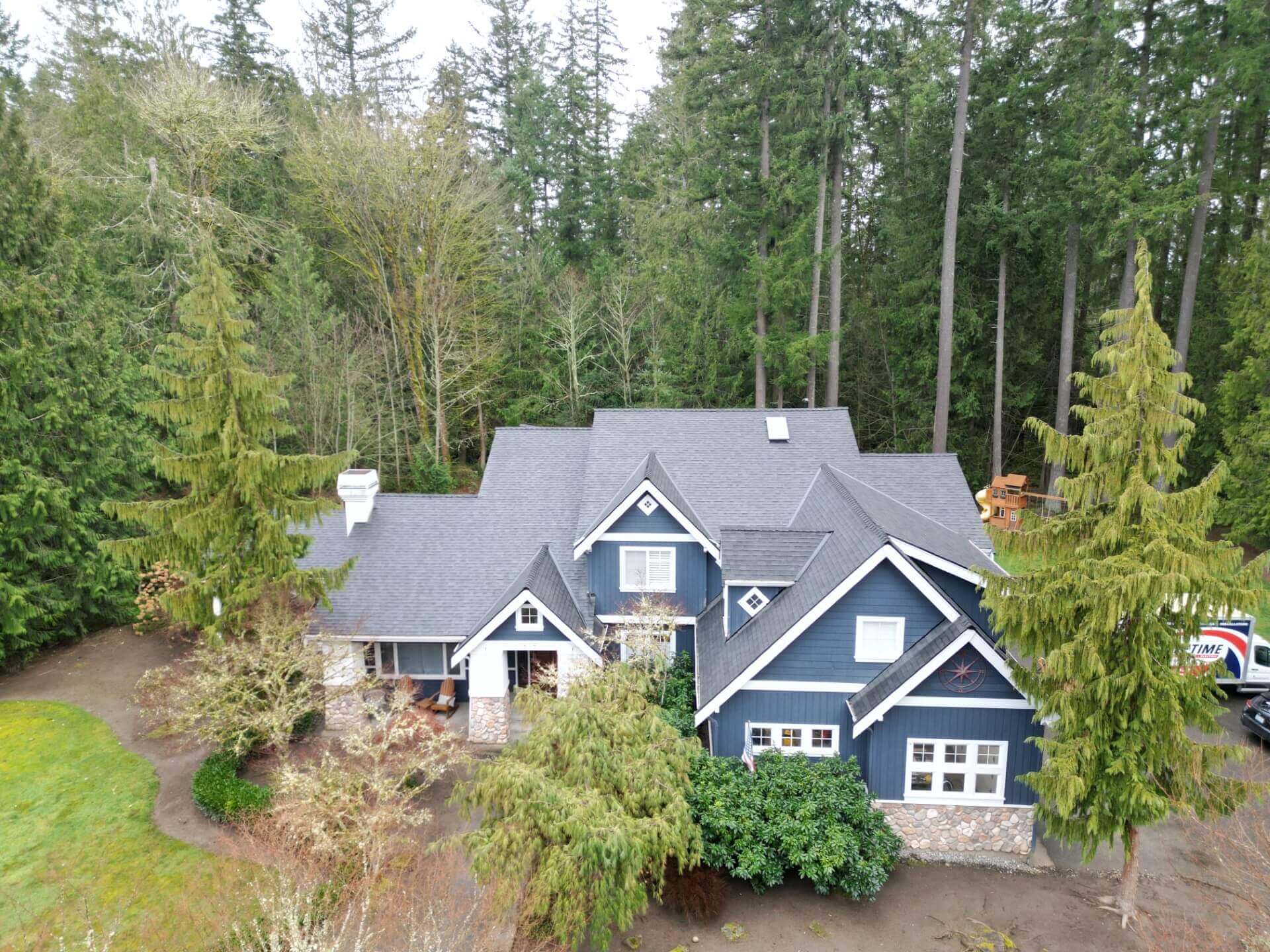
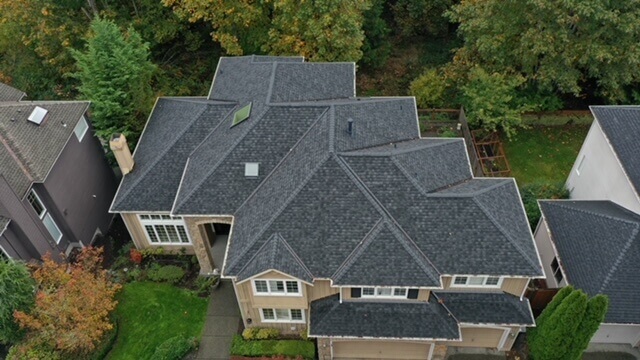
Redirects
Composition Shingle Roofing FAQs:
How much does composition roofing cost in Seattle?
In Seattle, prices vary based on shingle type and home size—but generally range between $4–$15 per square foot installed. Architecturals cost more than 3‑tabs but last longer. To get accurate pricing for your home, request a free estimate.
What types of composition shingles are available?
You’ll usually see:
-
3‑Tab: Budget-friendly, 15–25 yr life
-
Architectural (Dimensional): More durable and stylish, 25–30 yr life
-
Luxury/Designer: Premium look, 30–50 yr life
Will composition shingles handle Seattle windstorms?
Yes—as long as installation is solid, shingles withstand wind and coastal storms well. Wind resistance ratings are available for extra peace of mind.
Do composition roofs work in damp, moss-prone climates?
Absolutely. Properly ventilated and maintained composition shingles resist moisture—and algae/moss—effectively when cleaned annually.
How long should I expect the composition shingle roofing to last?
Expect 20–50 years, depending on composition roofing shingle quality, climate, and upkeep. Architecturals offer durability on par with more expensive options without the cost
Videos


Arizona Roofs Need Arizona Thinking
Concrete and clay tile over underlayment. Asphalt shingles working against sustained heat. Flat and low-slope areas that move water in a completely different way from a steep roof. Foam and coatings that need compatible products and honest surface preparation. Most Phoenix-area properties have more than one of these, and the transitions between them are where a lot of leaks start.


