

It also comes with one thing every buyer should understand before signing anything, covered below.
Concrete tile is the default roof across a large share of Phoenix-area housing, and for good reason. It handles sun and heat well, resists fire, and lasts a very long time. It also comes with one thing every buyer should understand before signing anything: the tile is not the waterproofing, and the layer that is has a much shorter life.

Concrete Tile Roofing Content
Profiles
Concrete tile comes in three broad shapes, and the choice is largely aesthetic with some practical consequences.
Flat tile reads clean and contemporary and suits modern desert architecture. Low-profile or S-tile has a gentle wave and is the most common across suburban tract housing. High-profile or barrel tile gives the strong Mediterranean look, and is generally the heaviest of the three.
Profile matters beyond appearance for one reason: manufacturers discontinue them. If you are choosing now, ask how long a profile has been in production, because that affects how easy replacements will be to source in fifteen years.
Profile Names You Will Hear
Roofers and suppliers use trade terms for tile shapes, and they come up constantly during a project. Knowing them makes every conversation easier and helps when sourcing replacements.
- Flat tile. No curve. Clean, contemporary, suits modern desert architecture.
- S-tile. A continuous S-shaped wave in a single piece. The most common profile across Phoenix-area tract housing, and what most people picture as a tile roof.
- W-tile. A double-barrel profile, wider than an S-tile with two curves per piece.
- Two-piece clay, sometimes called mission or barrel. Separate pan and cover tiles laid alternately. The traditional Spanish and Mediterranean look, and the most labour-intensive to install and repair.
- S-clay. The S profile produced in fired clay rather than concrete.
- Sandcast. Clay tile with a deliberately irregular, hand-formed appearance, used where a rustic or historic look is wanted.
If you are describing your roof to a contractor over the phone, the profile name narrows the conversation faster than anything else. If you don't know it, a photograph from the ground and one from the roof edge is usually enough for us to identify it.
Weight
This is the constraint that decides whether concrete tile is available to you at all. It is substantially heavier than asphalt shingle, and a structure framed for shingles needs review before carrying it.
Any contractor proposing a change from shingle to tile should be addressing load. If they are not, ask.
Efflorescence Is Normal
New concrete tile sometimes develops a whitish haze in the first months as lime migrates to the surface during curing. It looks like a defect and is not one. It weathers off, and no reputable manufacturer treats it as a warranty matter.
Worth knowing so it does not prompt an unnecessary call, and worth mentioning if a contractor treats it as evidence of a problem requiring remedial work.
Colour Over Time
Concrete tile colour is pigment applied to or mixed through the material, and sun exposure fades it measurably over the years. A twenty-year-old concrete tile roof does not look like it did new.
That has a practical consequence at repair time: new tile beside aged tile is visible from the street, particularly if replacements end up concentrated in one area rather than distributed. Ask to see a sample against an aged roof before you assume matching will be simple later.
The Thing Everyone Should Know
The tile is not the waterproofing.
Tile is a protective shell that sheds most water and shields what is underneath from sun and impact. The underlayment beneath it does the actual waterproofing, and it has a considerably shorter service life than the tile above it.
So a fifty-year tile is not a fifty-year roof. Budget for underlayment work well before the tile itself needs replacing, and when someone quotes a tile roof's lifespan, ask specifically what they are quoting the lifespan of. See tile repair and underlayment.
New Tile Against Reusing What You Have
If you already have a tile roof and the tile is sound, buying new tile is frequently the wrong question. A lift-and-relay removes and reinstalls your existing tile over new underlayment and flashings, renewing the waterproofing at meaningfully lower cost while keeping the roof's appearance.
New tile makes sense when the existing tile is failing, when expected breakage during handling would be high enough to undercut the saving, or when you actively want to change the look. It does not automatically make sense simply because the roof needs work.
If a contractor proposes full replacement on a tile roof, ask specifically why a relay would not work. A good answer references what they observed.
Fastening and Wind
Tile is secured by a combination of fasteners, adhesive and its own weight depending on the profile, the pitch and local wind requirements. The method is not interchangeable between profiles, and under-fastening does not show up until a wind event moves tile that should have stayed put.
It is a reasonable thing to ask about on any tile proposal, and a contractor who can answer specifically is telling you something about how they work.
What to Specify
- The underlayment product by name, not "synthetic underlayment"
- The tile profile and colour, with a sample seen in daylight rather than a brochure
- Flashing material at walls, valleys and penetrations
- Fastening method, which varies by profile and wind requirement
- Whether existing tile is being reused, and the breakage allowance if so
Warranty tiers actually obtainable are [CLIENT: confirm product warranties].
Ask what the underlayment spec is before you compare tile prices. Or call (480) 565-7663.
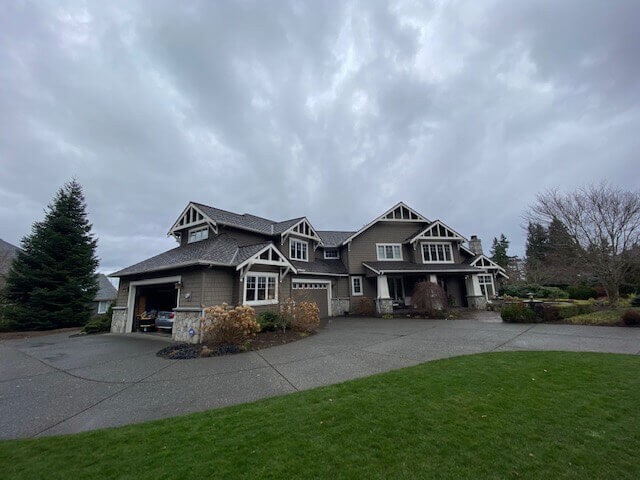
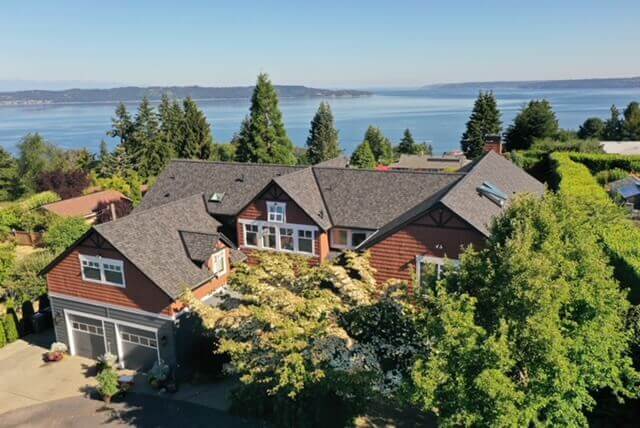
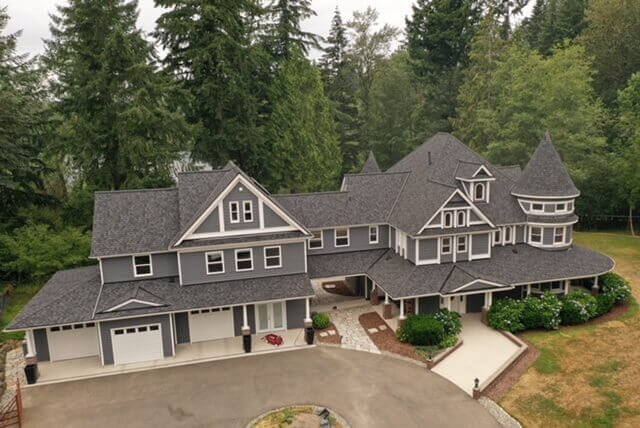
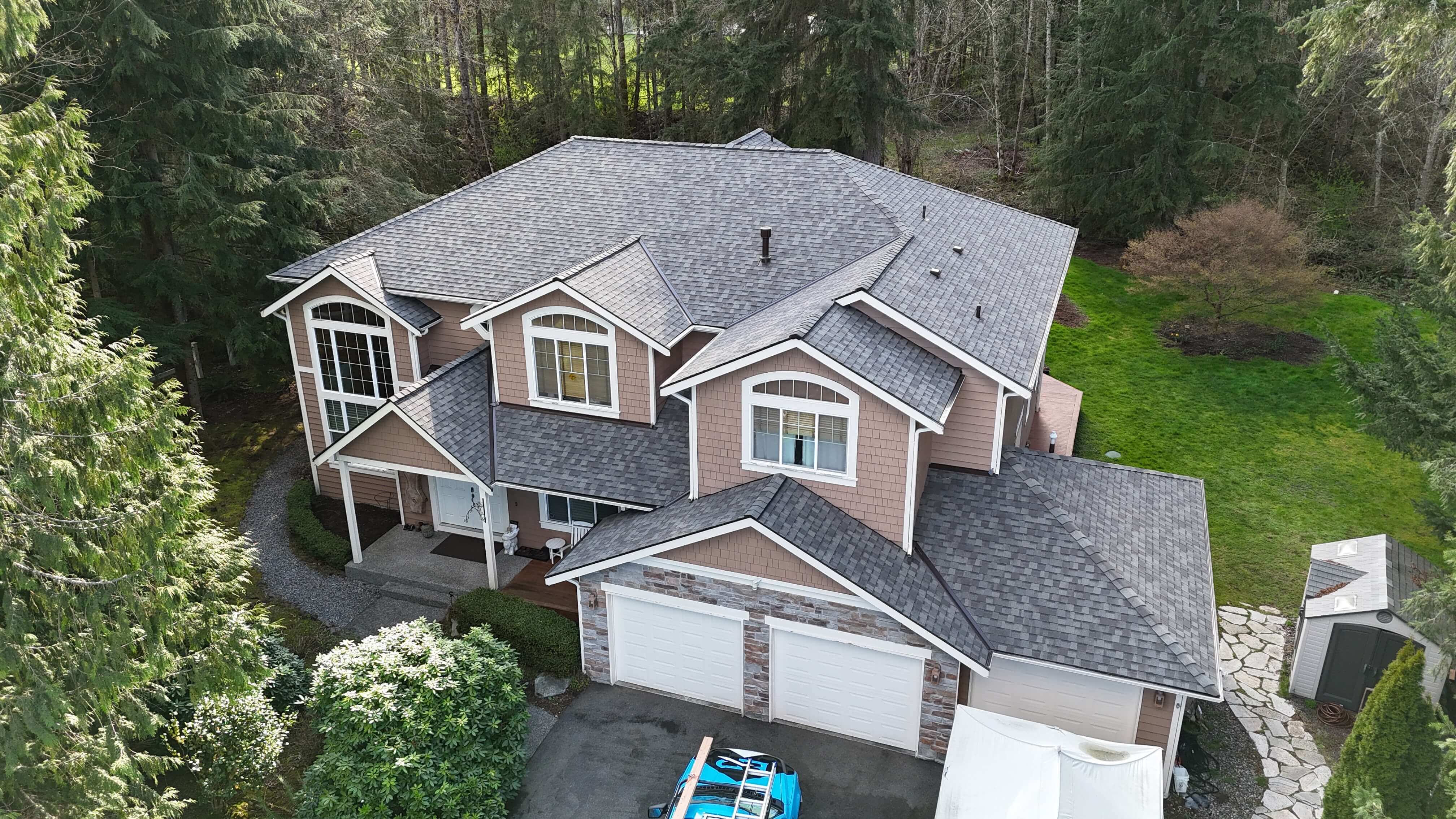
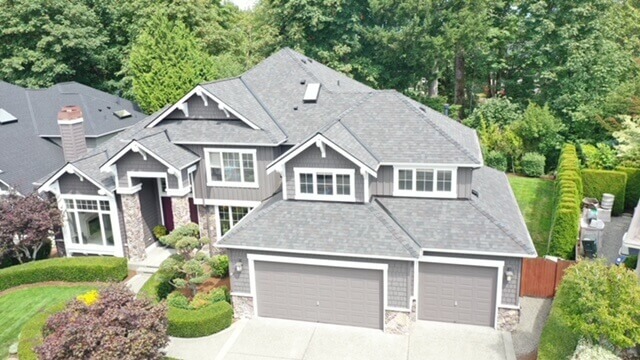
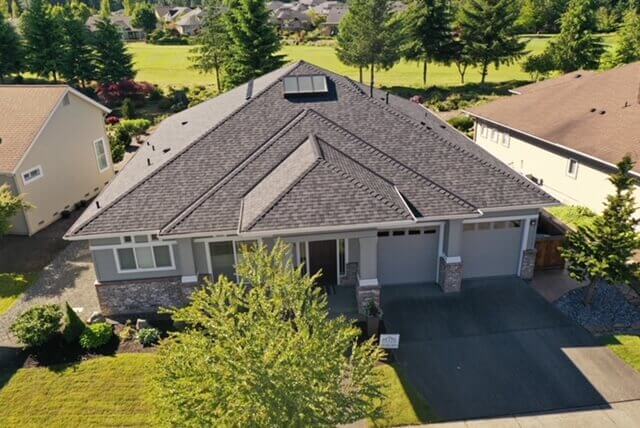
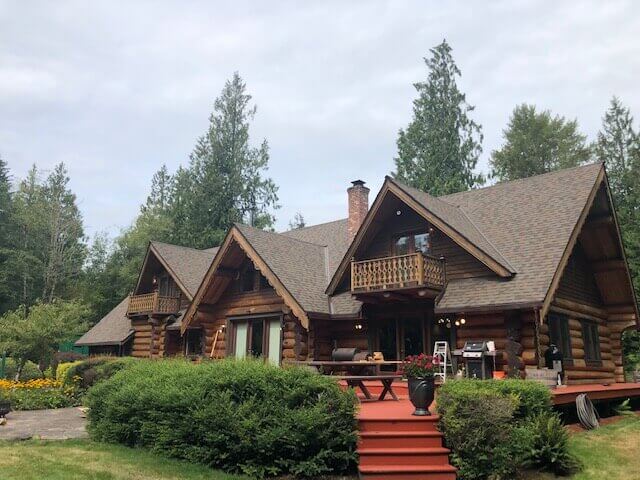
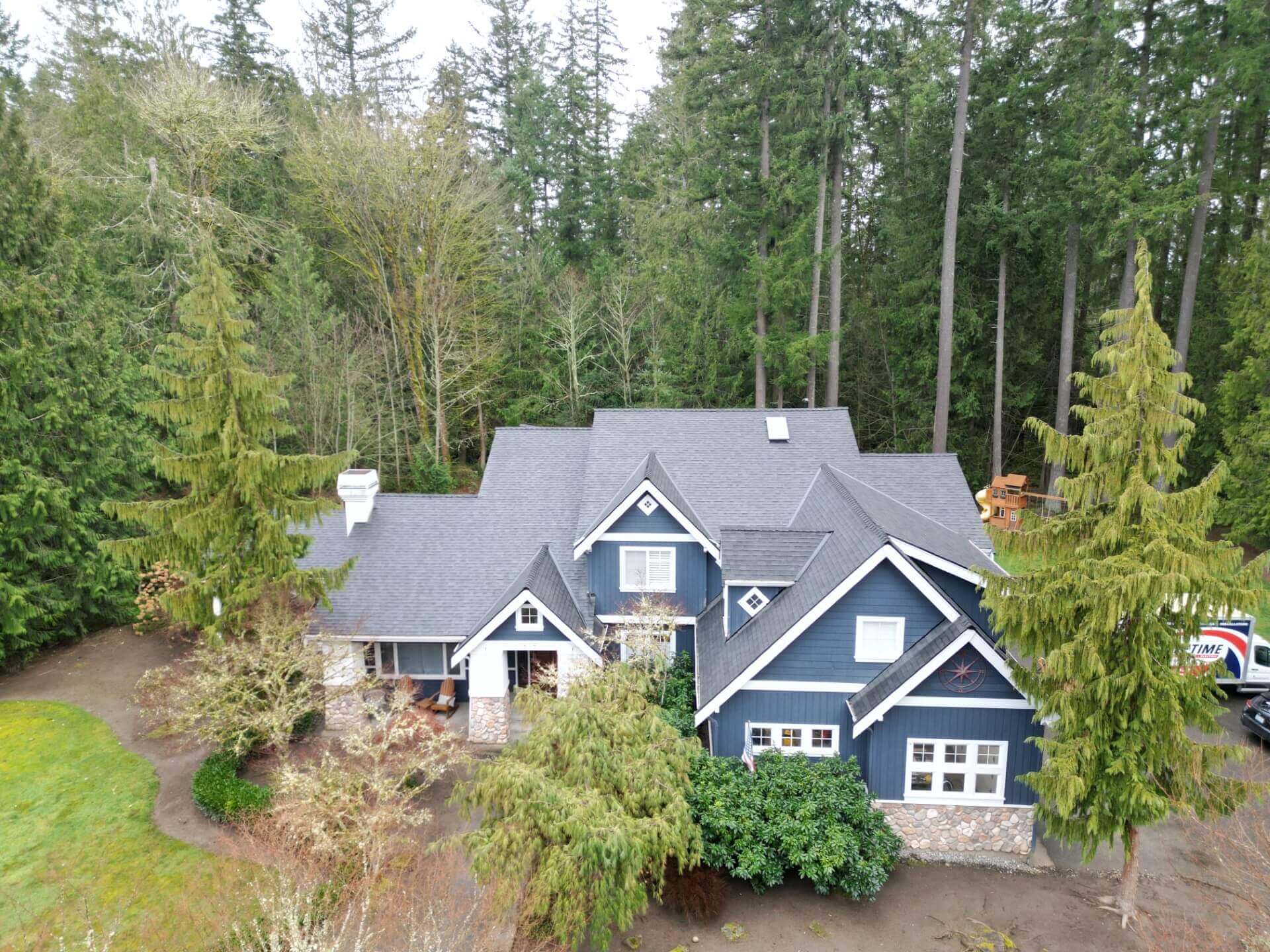
Concrete Tile Roofing Photo Gallery
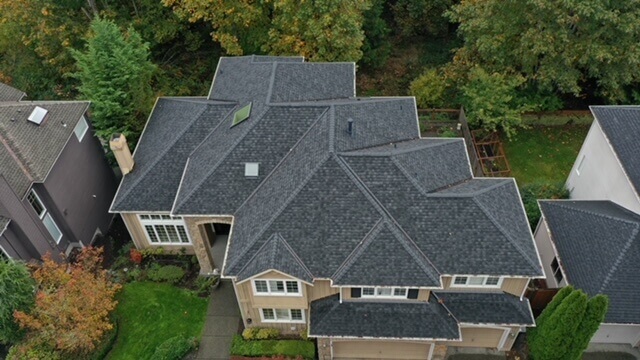
Redirects
Composition Shingle Roofing FAQs:
How much does composition roofing cost in Seattle?
In Seattle, prices vary based on shingle type and home size—but generally range between $4–$15 per square foot installed. Architecturals cost more than 3‑tabs but last longer. To get accurate pricing for your home, request a free estimate.
What types of composition shingles are available?
You’ll usually see:
-
3‑Tab: Budget-friendly, 15–25 yr life
-
Architectural (Dimensional): More durable and stylish, 25–30 yr life
-
Luxury/Designer: Premium look, 30–50 yr life
Will composition shingles handle Seattle windstorms?
Yes—as long as installation is solid, shingles withstand wind and coastal storms well. Wind resistance ratings are available for extra peace of mind.
Do composition roofs work in damp, moss-prone climates?
Absolutely. Properly ventilated and maintained composition shingles resist moisture—and algae/moss—effectively when cleaned annually.
How long should I expect the composition shingle roofing to last?
Expect 20–50 years, depending on composition roofing shingle quality, climate, and upkeep. Architecturals offer durability on par with more expensive options without the cost
Videos


Arizona Roofs Need Arizona Thinking
Concrete and clay tile over underlayment. Asphalt shingles working against sustained heat. Flat and low-slope areas that move water in a completely different way from a steep roof. Foam and coatings that need compatible products and honest surface preparation. Most Phoenix-area properties have more than one of these, and the transitions between them are where a lot of leaks start.


