
Coating manufacturers serving the Southwest range from national building-products companies to regional specialists, several of which developed their products specifically for desert conditions. Several of them developed their products specifically for desert conditions, which is worth knowing when a formulation designed for coastal salt exposure is offered at a premium here.
Roof Coating Manufacturers Content
Where the Manufacturer Choice Actually Bites
Less in the chemistry than in three specific places.
Warranty structure. Coating warranties vary widely in what they cover, whether labor is included, and whether a manufacturer inspection is required. Some require the applicator to be approved by the manufacturer.
System compatibility. Coating over a previous coating requires compatibility, and manufacturers publish what their products will and will not go over. Mixing chemistries without checking is a common and expensive mistake.
Specification support. Manufacturers differ in how much technical support they provide on a project, including adhesion testing and thickness verification. On a commercial roof that support has real value.
The Question That Matters More Than the Brand
Applied thickness. Coatings are specified, sold and warranted in mils of dry film, and applying thinner covers more roof for less material while looking identical on the day and failing sooner.
A quote naming a premium manufacturer at an inadequate thickness is worse value than a mid-range product applied correctly. Get the product name and the specified dry film thickness in writing on every coating proposal. See roof coating systems.
Reflectance Ratings
Ask whether solar reflectance and thermal emittance figures come from a recognized rating body or from marketing material, and ask for the aged figure alongside the initial one. Reflectance declines as surfaces accumulate dirt, mostly in the early years, so the aged number is the useful one for planning.
A Realistic Way to Compare Two Coating Quotes
Put both proposals side by side and check five things in this order: the product name, the specified dry film thickness, what surface preparation is included, what repairs are included against what will arrive as change orders, and whether a moisture survey was performed.
If one proposal is markedly cheaper, the explanation is almost always in one of those five rather than in efficiency. Price is the last thing to compare, not the first.
What to Confirm
- Product name and specified dry film thickness
- Compatibility with any existing coating on the roof
- Warranty terms, including whether labor and manufacturer inspection are involved
- Whether the applicator needs manufacturer approval for the warranty offered
- Initial and aged reflectance figures, and their source
Our Relationship With This Manufacturer
Elite Roofing has confirmed it works with this manufacturer and installs their products in Arizona. Whether we hold a formal certification or authorized-installer credential with them, and at what tier, is [CLIENT: confirm certification tiers], and obtainable warranty tiers are [CLIENT: confirm product warranties].
We will tell you plainly whether we hold a certification with a manufacturer or simply install their products, because those are different things and the difference affects what warranty you can actually get. See warranties.
Frequently Asked Questions
Does the coating manufacturer matter, or just the chemistry?
Chemistry determines how the product behaves with ponding water, foot traffic and ultraviolet exposure. Manufacturer matters most for warranty structure, published compatibility with existing coatings, and technical support during the project. On a commercial roof, adhesion testing and thickness verification support has real value.
Can I coat over an existing coating?
Only where the products are compatible, and manufacturers publish what theirs will and will not go over. Mixing chemistries without checking is a common and expensive mistake, because an incompatible coating can fail to adhere and delaminate. Identifying the existing coating is part of evaluating the roof.
What thickness should a roof coating be?
That is specified by the manufacturer for the product and the warranty term sought, measured in mils of dry film. It is the single biggest variable in coating quotes and the easiest to leave vague. Get the specified thickness in writing, because a premium product applied thin is worse value than a mid-range product applied correctly.
Should I trust a coating manufacturer's reflectance figures?
Ask whether they come from a recognized rating body rather than from marketing material, and ask for the aged figure alongside the initial one. Reflectance declines as surfaces accumulate dirt, with most of the decline in the early years, so the aged number is the more useful one for planning purposes.
Get the mil thickness in writing before comparing coating quotes. Or call (480) 565-7663.
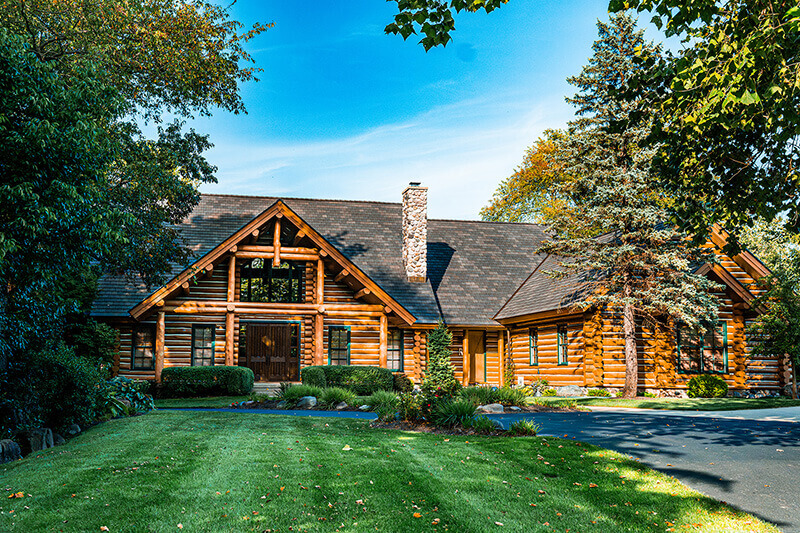
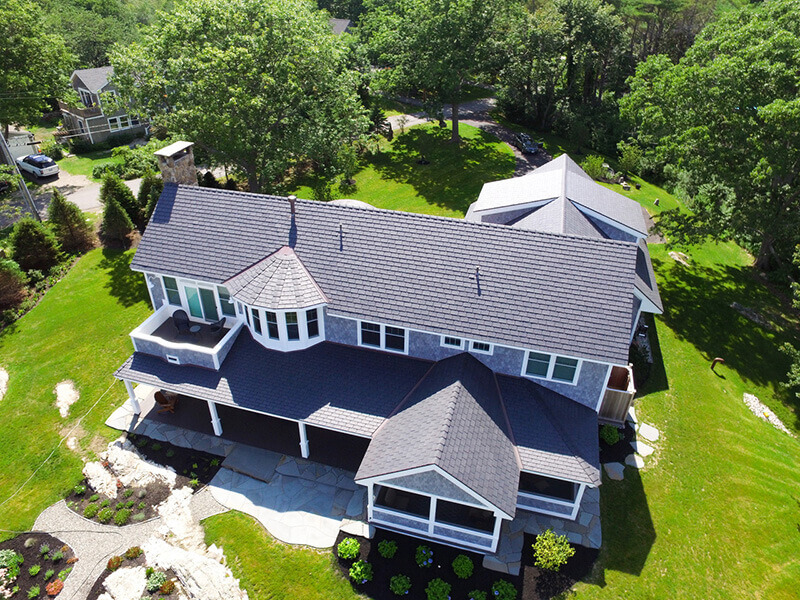
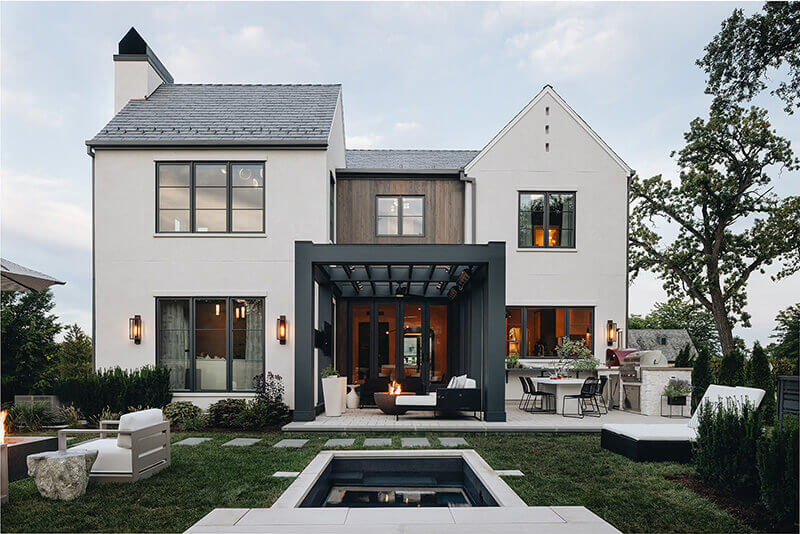
Roof Coating Manufacturers Photo Gallery
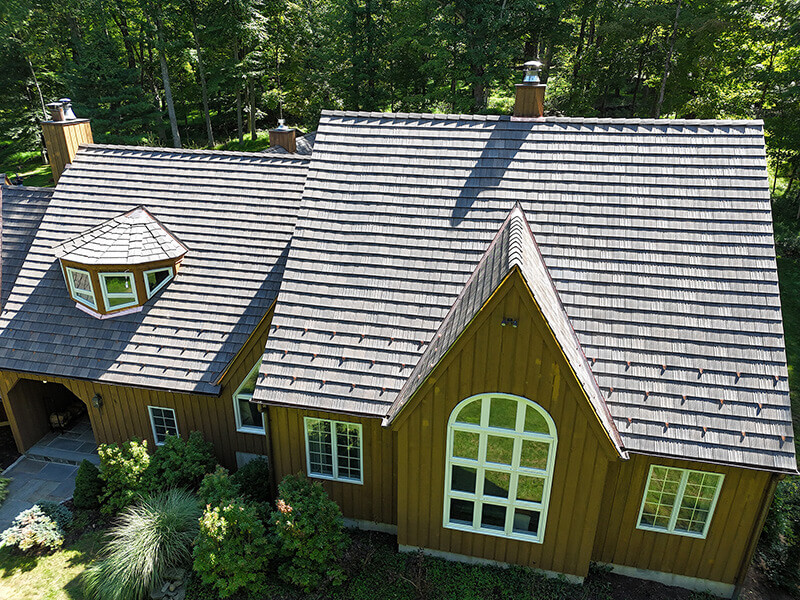
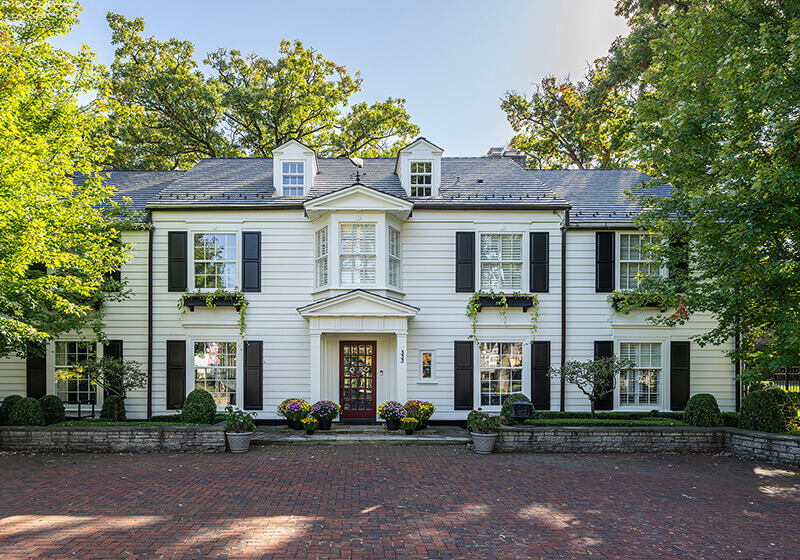
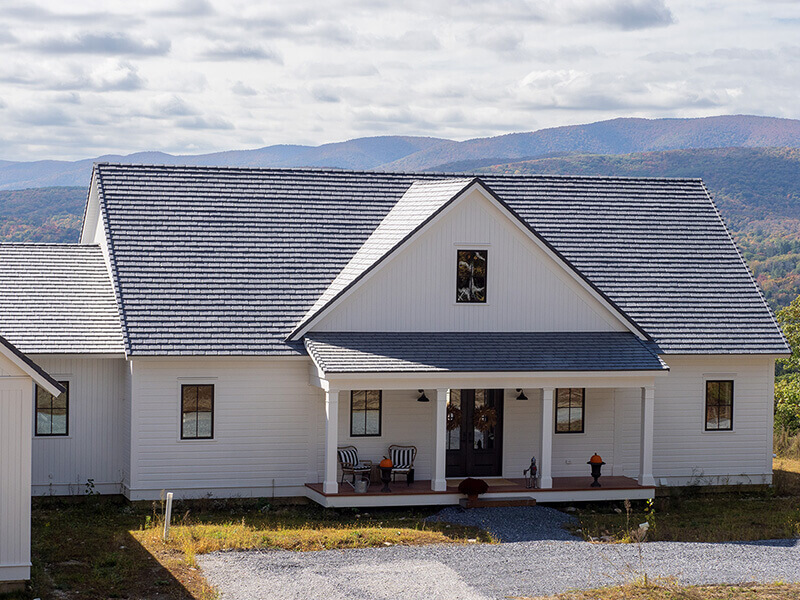
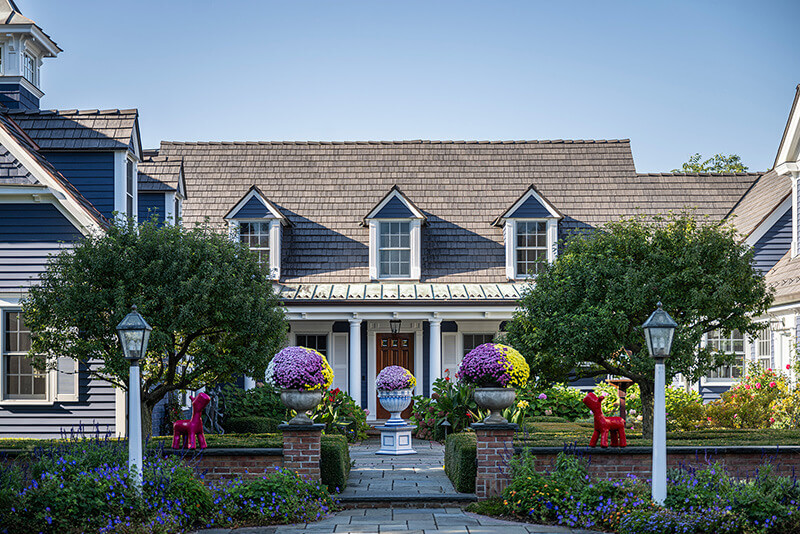
Redirects
DaVinci Roofscapes Roofing FAQs:
How much does DaVinci Roofscapes Roofing cost in the Seattle area?
Expect $12–$20 per square foot installed, depending on product style and roof complexity. While premium-priced, the long lifespan and reduced upkeep balance the investment over time. To get accurate pricing for your home, request a free estimate.
How long do these synthetic tiles last in the Seattle area?
With proper installation, DaVinci roofs last 40–50+ years, thanks to UV stabilization and strong weather resistance.
Will DaVinci roofing resist moss and algae?
Yes—unlike wood or stone, the synthetic polymer resists moisture retention, making it ideal for Seattle’s damp, shaded environments.
Is DaVinci roofing safe for wildfire zones or insurance purposes?
Yes—these roofs carry Class A fire ratings, and their impact and wind resistance may reduce premium costs in high-risk zones.
Are DaVinci roofing tiles recyclable?
Absolutely. Their “Cool Roof” and recycling program lets you return scrap or old tiles to the factory for reprocessing—limiting waste.
Can DaVinci roofing be installed on commercial buildings as well as homes?
Definitely. The lightweight, durable design suits both residential and commercial structures, offering curb-worthy results and low maintenance across property types.
More Underlayment & Ventilation


