
It is a genuine category rather than an imitation product in the pejorative sense, and in Arizona it solves a specific problem that concrete and clay cannot.
Synthetic roofing is engineered polymer molded to imitate materials that are heavier, more fragile or more expensive: barrel tile, cedar shake, natural slate. It is a genuine category rather than an imitation in the pejorative sense, and in Arizona it solves a specific problem that concrete and clay cannot: weight.


Synthetic & Composite Roofing Content
Weight Is the Real Argument
Concrete and clay tile are heavy, and a house not framed for tile cannot carry them without structural work. That constraint removes the Mediterranean and Spanish tile look from a large number of Arizona homes that would otherwise want it.
Synthetic barrel tile weighs a fraction of clay while reading as tile from the street. For a homeowner whose structure rules out real tile, it is frequently the only route to that appearance without reframing.
Color Stability
Concrete tile fades measurably under Arizona sun because the color is pigment applied to or mixed through the material. Synthetic products generally carry color through the full thickness with ultraviolet inhibitors engineered in, so fade behavior is different and typically better.
Ask for the manufacturer's fade warranty specifically and what it covers, since fade is often warranted separately and for a different term than the product itself.
Fire Rating
Worth confirming rather than assuming, since polymer is a combustible base material and roofing fire ratings are assembly ratings rather than product ratings.
Reputable synthetic manufacturers produce products achieving Class A when installed in a specified assembly, frequently including a particular underlayment. Ask what rating is claimed, what assembly it requires, and whether the proposal includes that assembly. In a market where concrete and clay carry inherent fire resistance, this is a fair question rather than a hostile one.
Impact and Breakage
Synthetic products do not break underfoot the way clay and older concrete tile do. On a roof that sees regular access for solar, HVAC or satellite work, that is a real ownership advantage rather than a marketing point, since foot-traffic breakage is among the most common preventable causes of tile roof leaks in this market.
Where Synthetic Does Not Fit
Managed communities frequently prescribe real tile. Association documents may specify concrete or clay by name, and approval rests with the board. Confirm before you get attached to a synthetic profile.
Cost is not the reason to choose it. Premium synthetics are not a budget option and can price comparably to or above concrete tile. The reasons to choose it are weight, color stability and impact resistance.
Cedar shake profiles have limited Arizona logic. They exist and they look good, but a shake aesthetic on a desert home is a deliberate design choice rather than a regional norm.
How Synthetic Products Are Installed
Installation differs from the material being imitated, and that matters when comparing contractors.
Synthetic tile and shake are generally lighter to handle, cut with standard tools rather than requiring tile-specific equipment, and fasten differently from clay or concrete. Several manufacturers require installer training before their enhanced warranties are available.
So a contractor experienced in clay tile is not automatically experienced in composite. Ask specifically what training the crew has for the product being proposed, and whether that training is what the warranty requires.
What to Ask Before Choosing Synthetic
- Can my structure carry real tile? If yes, synthetic is a preference rather than a necessity
- Does the association permit composite, or does it specify clay or concrete by name?
- What does the fade warranty cover and for how long, separately from the product warranty?
- Is installer training required for the warranty tier being offered?
- What is the lead time, particularly for blended colors?
The Underlayment Point Still Applies
Whatever sits on top, the underlayment beneath is what keeps water out and it wears out on its own schedule. A long product warranty on the visible material is not a statement about the roof's waterproofing life. See underlayment and ventilation.
Manufacturers
Frequently Asked Questions
Is synthetic roofing as good as real tile?
It is different rather than lesser. Synthetic weighs far less, which lets a house not framed for tile carry a tile appearance, and it resists foot-traffic breakage better. Real tile has a longer track record and is what many managed communities prescribe. Both depend on the underlayment beneath them for waterproofing.
Why would I choose synthetic over concrete tile?
Three reasons: your structure cannot carry the weight of real tile without reframing, you want color that holds rather than fades under Arizona sun, or your roof sees regular foot traffic for rooftop equipment. Cost is generally not one of the reasons, since premium synthetics can price comparably to or above concrete.
Will my HOA allow synthetic roofing?
Frequently not, particularly where governing documents specify concrete or clay tile by name. Approval rests with the association rather than with us. Confirm what is permitted before investing time in selecting a synthetic profile, since this is one of the more common reasons a synthetic project does not proceed.
Does synthetic roofing fade in Arizona sun?
Synthetic products generally carry color through the full thickness with ultraviolet inhibitors engineered in, so fade behavior is typically better than pigmented concrete tile. Ask for the manufacturer's fade warranty specifically, since fade is often warranted separately and for a different term than the product itself.
Ask what the underlayment spec is before you compare tile prices. Or call (480) 565-7663.
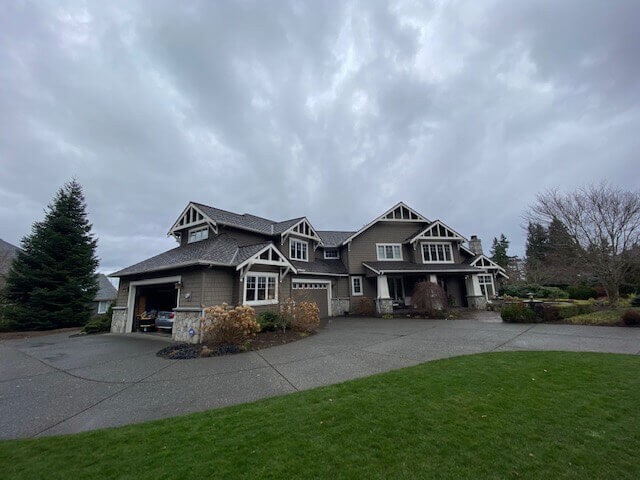
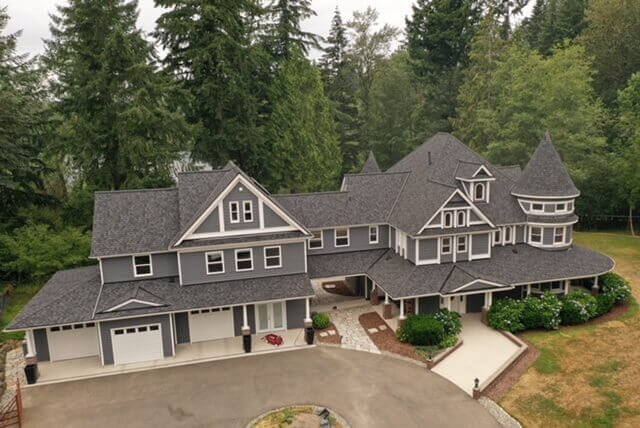
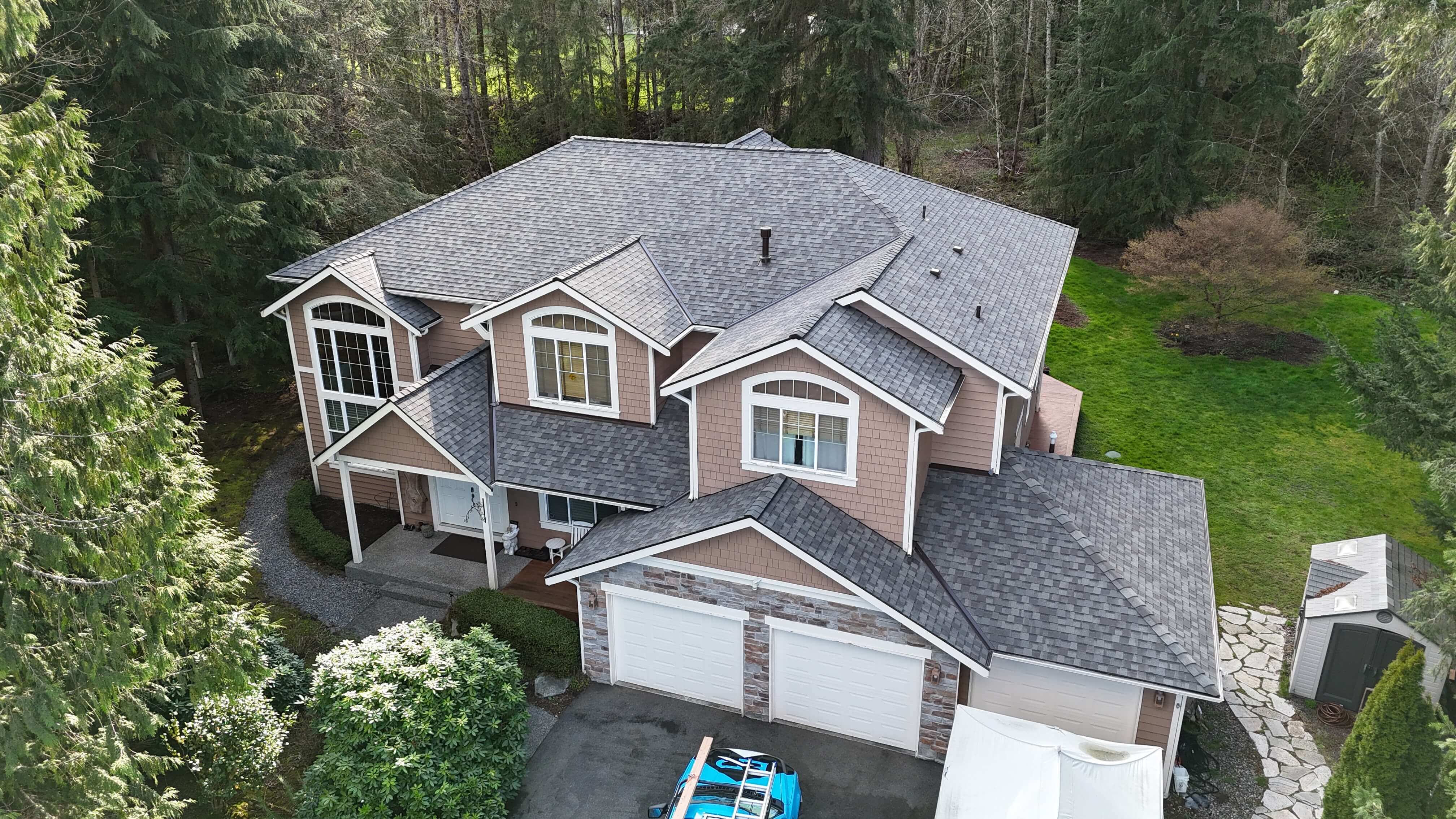
Synthetic & Composite Roofing Photo Gallery

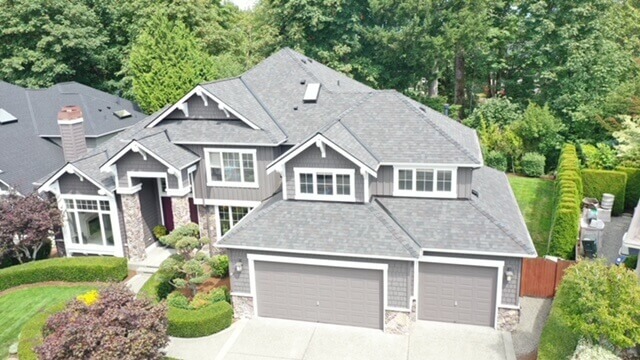
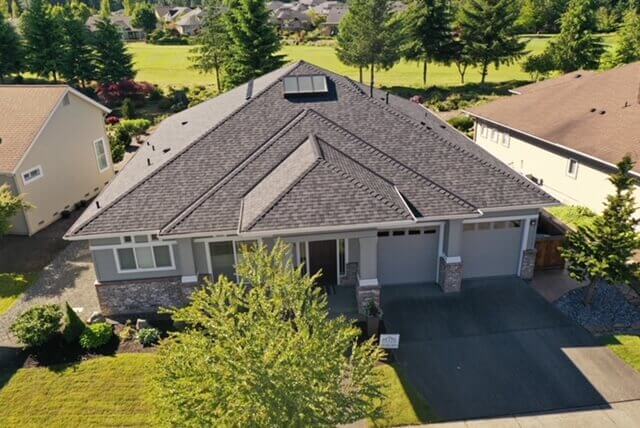
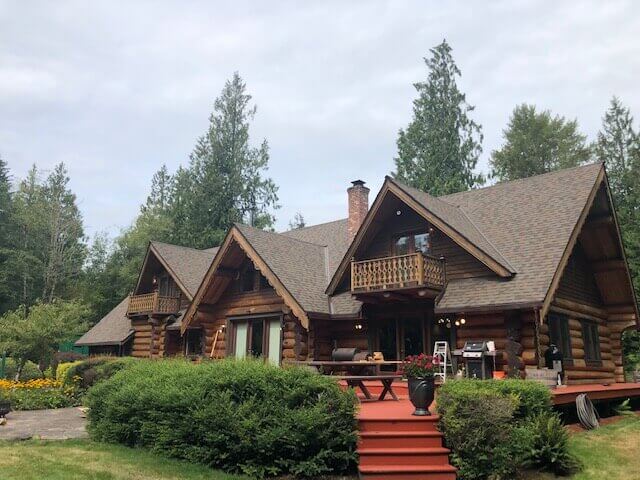
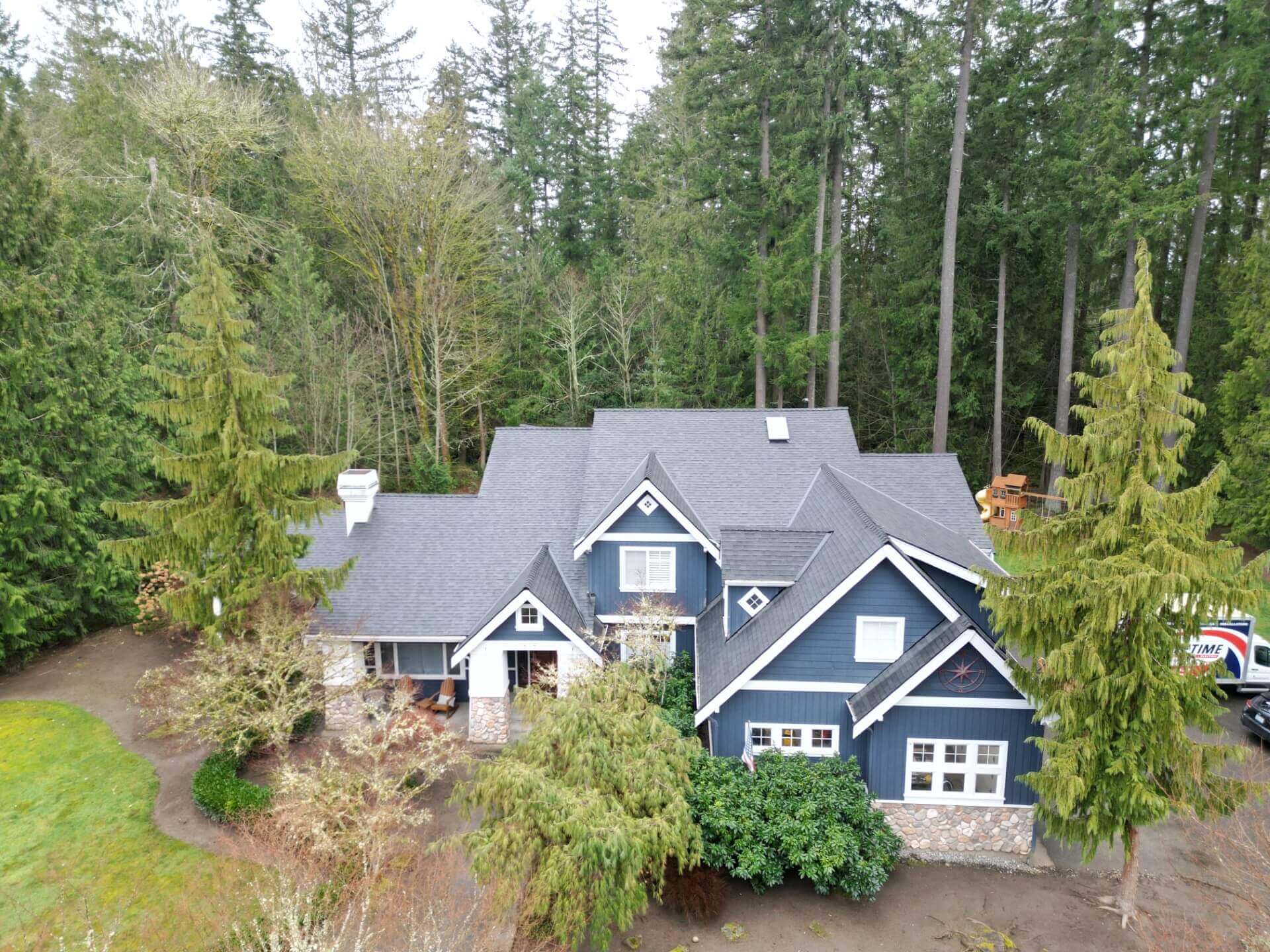
Redirects
Composition Shingle Roofing FAQs:
How much does composition roofing cost in Seattle?
In Seattle, prices vary based on shingle type and home size—but generally range between $4–$15 per square foot installed. Architecturals cost more than 3‑tabs but last longer. To get accurate pricing for your home, request a free estimate.
What types of composition shingles are available?
You’ll usually see:
-
3‑Tab: Budget-friendly, 15–25 yr life
-
Architectural (Dimensional): More durable and stylish, 25–30 yr life
-
Luxury/Designer: Premium look, 30–50 yr life
Will composition shingles handle Seattle windstorms?
Yes—as long as installation is solid, shingles withstand wind and coastal storms well. Wind resistance ratings are available for extra peace of mind.
Do composition roofs work in damp, moss-prone climates?
Absolutely. Properly ventilated and maintained composition shingles resist moisture—and algae/moss—effectively when cleaned annually.
How long should I expect the composition shingle roofing to last?
Expect 20–50 years, depending on composition roofing shingle quality, climate, and upkeep. Architecturals offer durability on par with more expensive options without the cost
Videos


Arizona Roofs Need Arizona Thinking
Concrete and clay tile over underlayment. Asphalt shingles working against sustained heat. Flat and low-slope areas that move water in a completely different way from a steep roof. Foam and coatings that need compatible products and honest surface preparation. Most Phoenix-area properties have more than one of these, and the transitions between them are where a lot of leaks start.


