
It matters less because installation quality affects roof longevity at least as much as material grade. A mid-tier product installed correctly generally outperforms a premium product installed poorly, and no brand rescues a bad install. It matters more because manufacturer warranty coverage frequently depends on the installer holding a specific certification, and on installation following published requirements exactly. The brand decision and the contractor decision are connected in a way the brochures do not explain.
Manufacturer choice matters less than most marketing suggests and more than most homeowners realize, in different ways than you would expect. It matters less because installation quality affects longevity at least as much as material grade. It matters more because enhanced warranty coverage frequently depends on the installer holding a certification.
Preferred Roofing Brands Content
Why This List Is Organized by Material
Because manufacturers rarely compete across the whole roof. A tile maker and a shingle maker are not alternatives to each other; they serve different decisions you may not both be making.
Work out the material first, using the products section, then compare manufacturers within it. Choosing a brand before choosing a material is how people end up with a well-regarded product that was the wrong system for their roof.
Tile Manufacturers
Synthetic and Composite
Shingle Manufacturers
Metal
Underlayment and Coatings
Where Manufacturer Marketing Is Least Useful
Three claims to treat skeptically regardless of brand.
Lifetime. A warranty term, not a statement about your roof. Almost always prorated and conditional. Ask what it pays in year twenty.
Algae and streak resistance. Genuine in humid climates. Largely irrelevant in the Sonoran Desert, where the conditions that cause roof algae are not present.
Energy savings percentages. Reflectance is measurable; the savings figure derived from it is not, without knowing your insulation, ducts and equipment.
How to Compare Warranties Without Being Sold
Manufacturer warranty marketing is where roofing gets least honest, so a few questions cut through most of it.
Is labor included? A material-only warranty pays for the shingles and not for the crew who install them, which on a failure is most of the cost.
Is it prorated, and from when? Most long-term coverage declines over time. Ask what it pays in year twenty, not year one. That number is the informative one.
Does it require a certified installer? Enhanced coverage frequently does, and installing the same product without that certification gets you a lesser warranty for the same material cost.
Does registration have a deadline? Some programs require registration within a window after installation. A warranty never registered can be worth considerably less than the owner believes.
What voids it? Rooftop work by other trades, failure to perform required maintenance, and installation departing from published requirements are common exclusions.
Why the Brand List Here Is Short
Because it lists manufacturers whose relationship with our Arizona operation is confirmed, rather than every brand we could install.
A long brand list on a contractor's website usually means the contractor can buy those products, which is true of almost any contractor and any product. It is not the same as holding a certification, and the difference determines what warranty you can actually obtain.
If a manufacturer you are considering is not listed, ask. We can usually install it. We will tell you what warranty tier that gets you, which may be lower than a certified installer could offer, and you can decide with that information.
What We Will Not Claim
We will not describe ourselves as certified, authorized or preferred by a manufacturer without written confirmation from that manufacturer, and we will not carry over credentials held by Elite Roofing NW in Washington. Arizona credentials are Arizona credentials.
If you are comparing contractors, asking each to produce their certification in writing is a reasonable and revealing request.
Frequently Asked Questions
Does the roofing brand really matter?
Less than marketing suggests for durability, since installation quality affects longevity at least as much as material grade. More than expected for warranty, because enhanced manufacturer coverage frequently requires the installer to hold a specific certification. The brand decision and the contractor decision are connected in a way brochures rarely explain.
What should I ask about a manufacturer warranty?
Whether labor is included, whether coverage is prorated and what it pays in later years, whether enhanced coverage requires a certified installer, whether registration has a deadline, and what voids it. The year-twenty figure is more informative than the headline term, and rooftop work by other trades is a common exclusion.
How do I verify a contractor's manufacturer certification?
Ask to see it in writing, and check directly with the manufacturer, since most maintain a contractor lookup. Certification levels differ, and installing a manufacturer's products is not the same as holding their certification. A contractor unwilling to produce documentation has answered the question.
Do you use the same brands as Elite Roofing in Washington?
Not necessarily, and we would not claim Washington credentials here regardless. The Arizona product mix is genuinely different, since tile dominates this market while cedar and synthetic shake do not feature. Arizona manufacturer relationships are established separately and stated on their own terms.
Ask which certification we hold for whatever product you are considering. Or call (480) 565-7663.
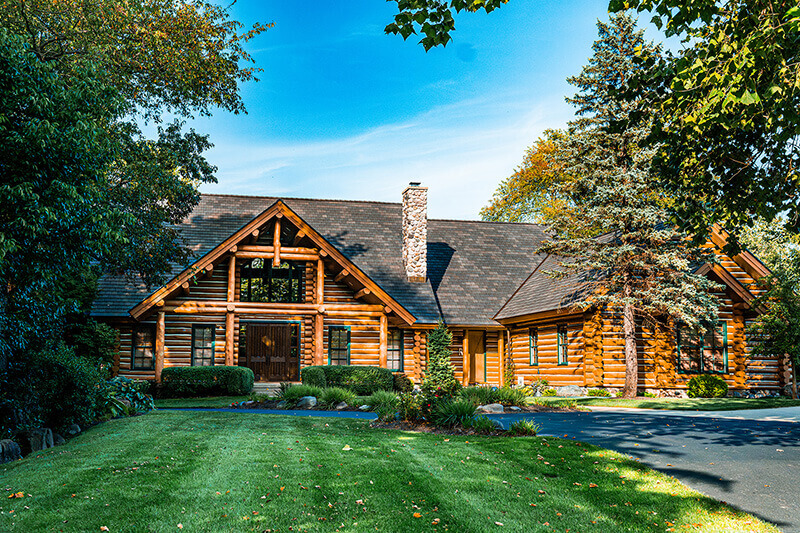
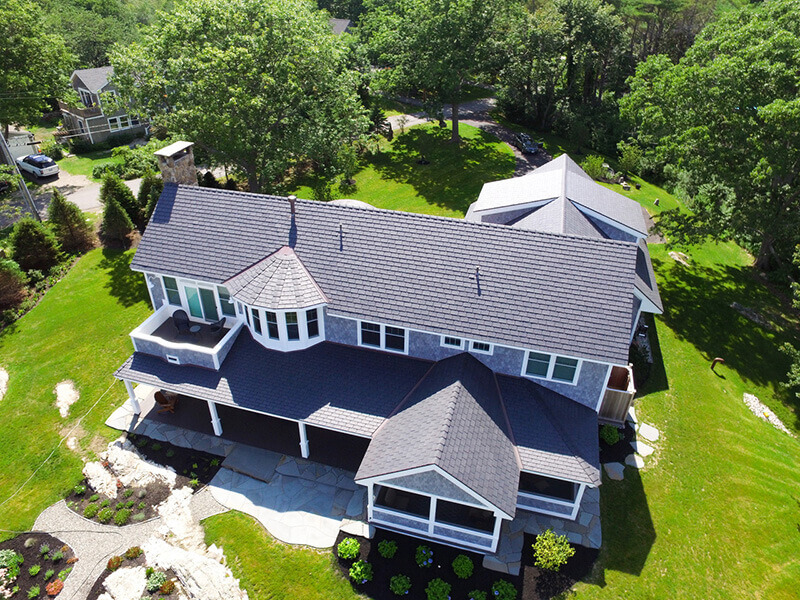
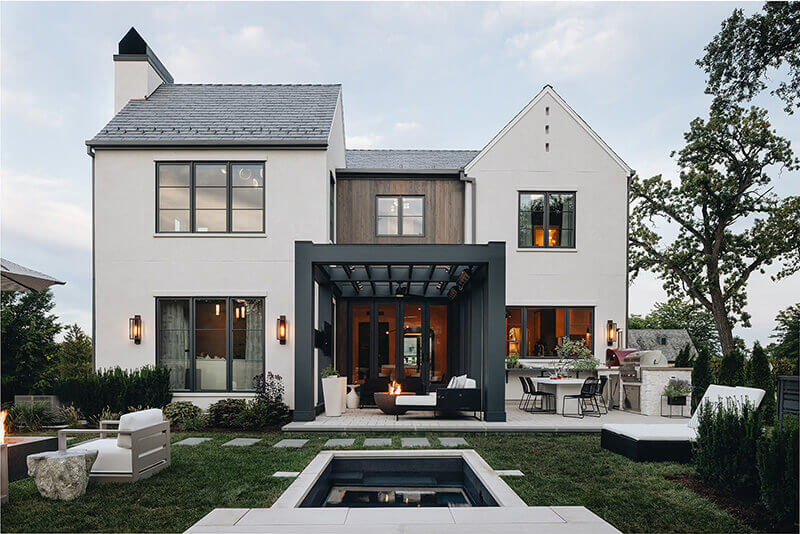
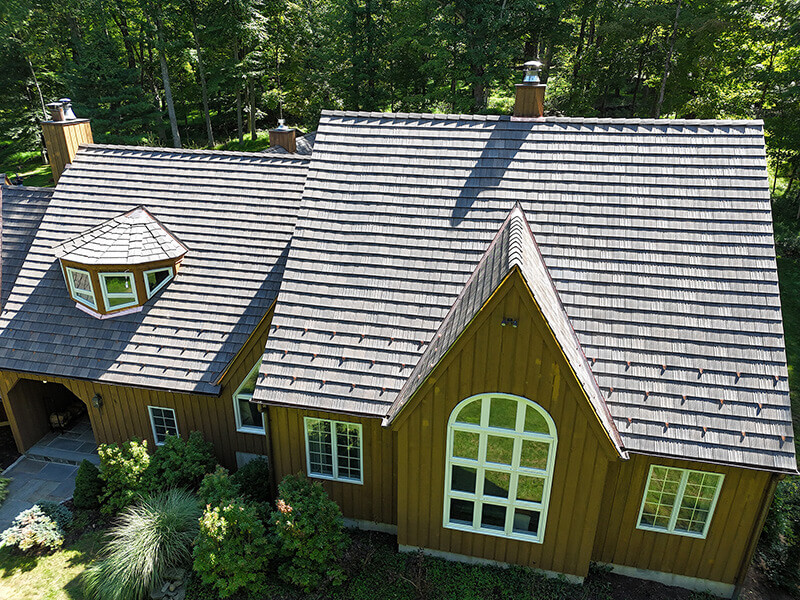
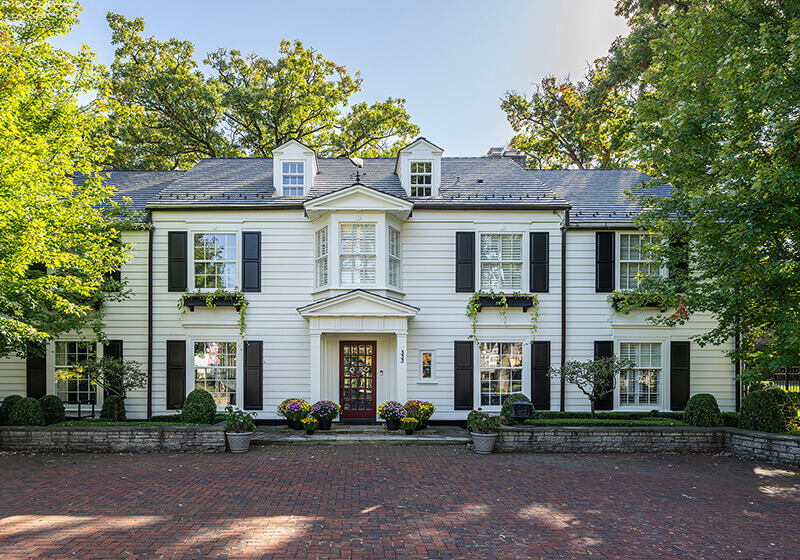
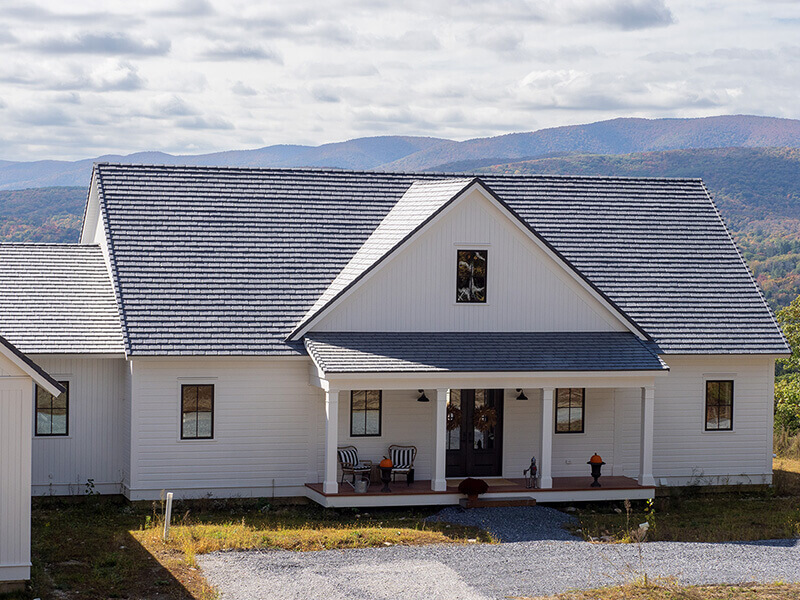
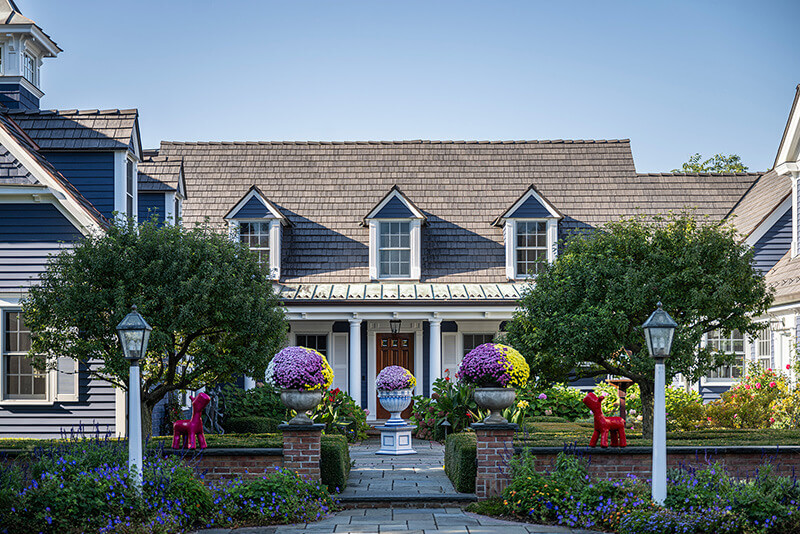
Preferred Roofing Brands Photo Gallery
Redirects
DaVinci Roofscapes Roofing FAQs:
How much does DaVinci Roofscapes Roofing cost in the Seattle area?
Expect $12–$20 per square foot installed, depending on product style and roof complexity. While premium-priced, the long lifespan and reduced upkeep balance the investment over time. To get accurate pricing for your home, request a free estimate.
How long do these synthetic tiles last in the Seattle area?
With proper installation, DaVinci roofs last 40–50+ years, thanks to UV stabilization and strong weather resistance.
Will DaVinci roofing resist moss and algae?
Yes—unlike wood or stone, the synthetic polymer resists moisture retention, making it ideal for Seattle’s damp, shaded environments.
Is DaVinci roofing safe for wildfire zones or insurance purposes?
Yes—these roofs carry Class A fire ratings, and their impact and wind resistance may reduce premium costs in high-risk zones.
Are DaVinci roofing tiles recyclable?
Absolutely. Their “Cool Roof” and recycling program lets you return scrap or old tiles to the factory for reprocessing—limiting waste.
Can DaVinci roofing be installed on commercial buildings as well as homes?
Definitely. The lightweight, durable design suits both residential and commercial structures, offering curb-worthy results and low maintenance across property types.


