
The case for clay rests almost entirely on one property, covered first below. The rest is cost, weight, and how it behaves when someone walks on it.
Clay tile is the older of the two tile materials and the one that holds its appearance longest. It is also the more expensive, and the case for it rests almost entirely on that first point.
Clay Tile Roofing Content
Color That Does Not Fade
This is the whole argument. Clay color comes from the fired material itself rather than from applied pigment, so a clay roof looks substantially the same in year thirty as in year one.
Concrete tile fades. On a house where appearance matters, or in a community where matching replacements over decades is likely, that difference compounds. It also means clay repairs blend better, because you aren't matching new pigment to sun-aged pigment.
Cost
Clay generally costs more than concrete, both in material and sometimes in installation where profiles are more complex. Whether that premium is worth paying depends on how long you intend to own the building and how much the appearance matters to you.
For a property being sold in a few years, the honest answer is usually no. For a long-held home where the roof is a significant part of the architecture, it frequently is.
Variation Between Tiles Is a Feature
Clay is fired, and firing produces variation in tone across a batch. Some ranges are deliberately blended to accentuate that; others aim for uniformity.
Decide which you want before ordering, because a roof laid from a varied range looks meaningfully different from a uniform one and neither is a defect. Ask to see several tiles together rather than one, since a single sample tells you nothing about the range.
Brittleness and Foot Traffic
Depending on profile and age, clay can be more brittle underfoot than concrete. That matters more than it sounds, because roofs get walked on: solar installation, HVAC service, satellite work, plumbing vents.
On a clay roof, insisting that other trades coordinate access and having the roof inspected after any rooftop work is worth doing rather than optional. Replacing broken clay tile costs more than replacing broken concrete.
Weight
Clay is heavy, comparably to or more than concrete depending on profile. The same structural review applies: a house not originally framed for tile needs assessment before carrying it.
The Underlayment Point Applies Equally
Clay tile can last generations. The underlayment beneath it cannot, and it is what keeps water out.
This catches clay roof owners harder than concrete owners, precisely because the tile still looks immaculate. A hundred-year-old clay roof in good condition has almost certainly had its underlayment replaced at least once. See tile roofing.
Who Clay Actually Suits
Being direct about this, because clay is frequently sold on aesthetics to people for whom it is not the right economic decision.
It suits a long-held home where the roof is a significant part of the architecture, a property where matching replacements over decades is likely, and an owner who values appearance permanence enough to pay the premium.
It suits less well a property being sold within a few years, a house where the roof is barely visible from the street, or a budget where the premium would come out of the underlayment specification. That last one is the trap: choosing clay and economizing on the layer that actually keeps water out is the wrong way round.
Ordering Extra at Installation
On any tile roof, and particularly clay, buying a small quantity of extra tile at installation and storing it is one of the better decisions available. It costs little against the project total.
Fifteen years later, when a wind event breaks eight tiles and the profile has been discontinued, that pallet in the side yard is the difference between a straightforward repair and a sourcing exercise with a visible color mismatch at the end of it.
Sourcing
Clay tile is confirmed as a material Elite Roofing installs. Specific profiles and colors are sourced per project, and we confirm availability before you choose. Some clay tile is imported, which affects lead time on both new work and replacements. Ask before you choose, because a twelve-week lead time on replacement tile is a different repair experience.
Frequently Asked Questions
Is clay tile better than concrete tile?
Better at holding color, and generally more expensive. Clay color comes from the fired material rather than applied pigment, so it looks much the same after decades while concrete fades. Both depend on the underlayment beneath them for waterproofing, so neither is better on the measure that actually determines when major work is needed.
Does clay tile break more easily?
Depending on profile and age it can be more brittle underfoot than concrete, and replacements cost more. This matters most when other trades access the roof for solar, HVAC or satellite work. Coordinating that access and inspecting afterward is worth treating as necessary rather than optional on a clay roof.
How long does clay tile last?
The tile can last generations, which is why hundred-year-old clay roofs still exist. The underlayment beneath it cannot, and any long-lived clay roof has almost certainly had its underlayment replaced at least once. The tile's longevity is real; it just is not the same thing as the roof's waterproofing lifespan.
Can I get replacement clay tile to match my existing roof?
Sometimes, and it depends on whether the profile is still produced and whether the color was a standard or custom firing. Some clay tile is imported, which affects lead time considerably. This is worth establishing before you need it rather than during a repair, because a long lead time changes the whole experience.
Ask what the underlayment spec is before you compare tile prices. Or call (480) 565-7663.
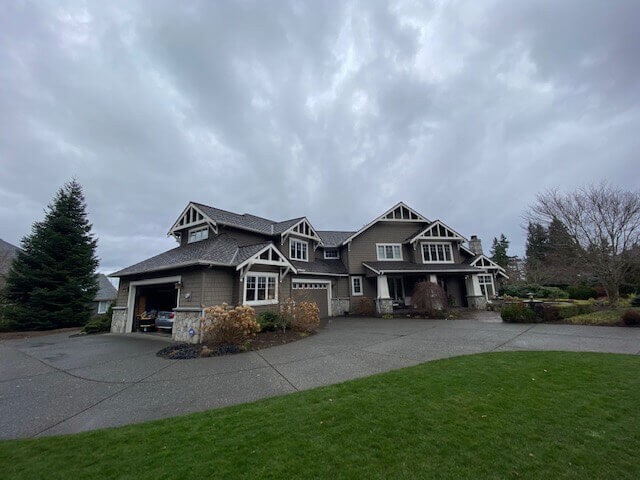
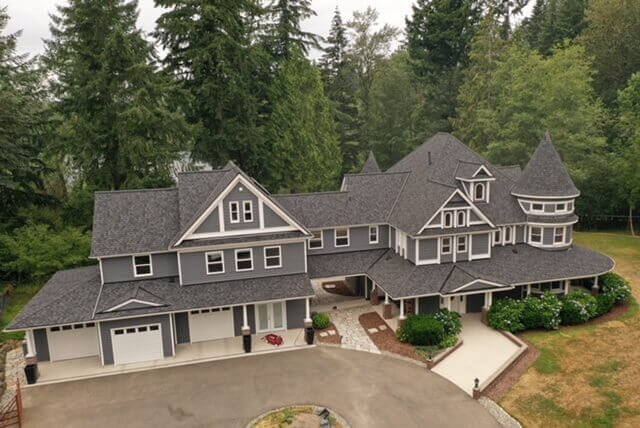
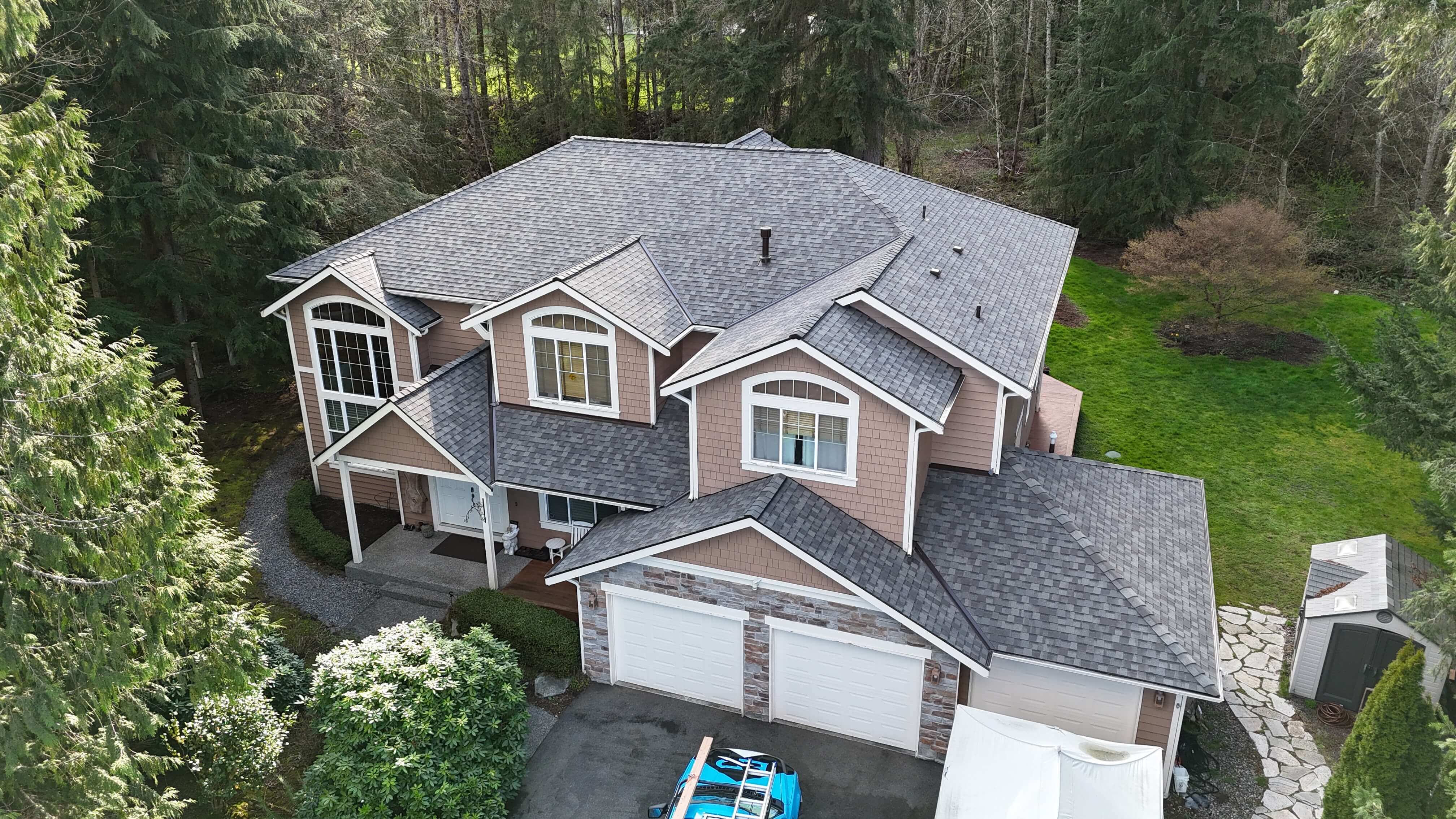
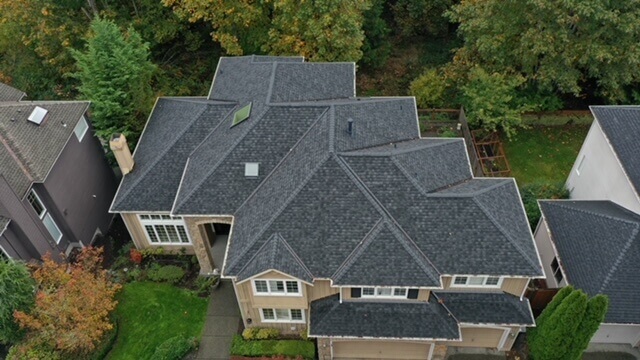
Clay Tile Roofing Photo Gallery

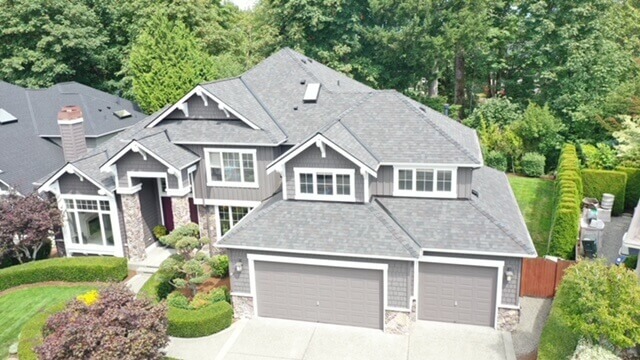
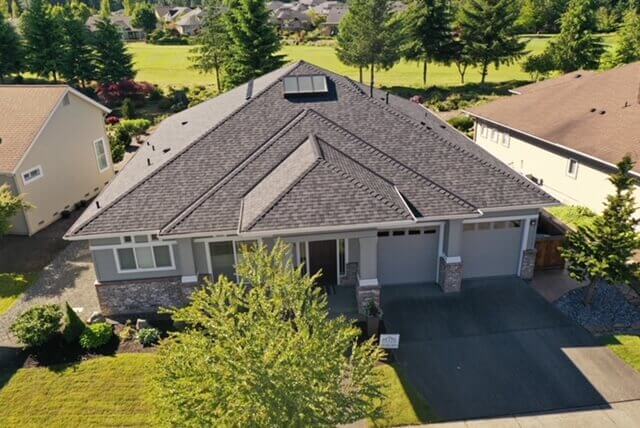
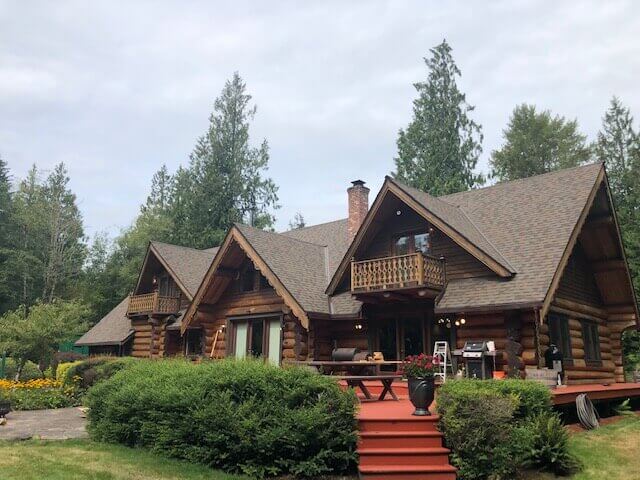
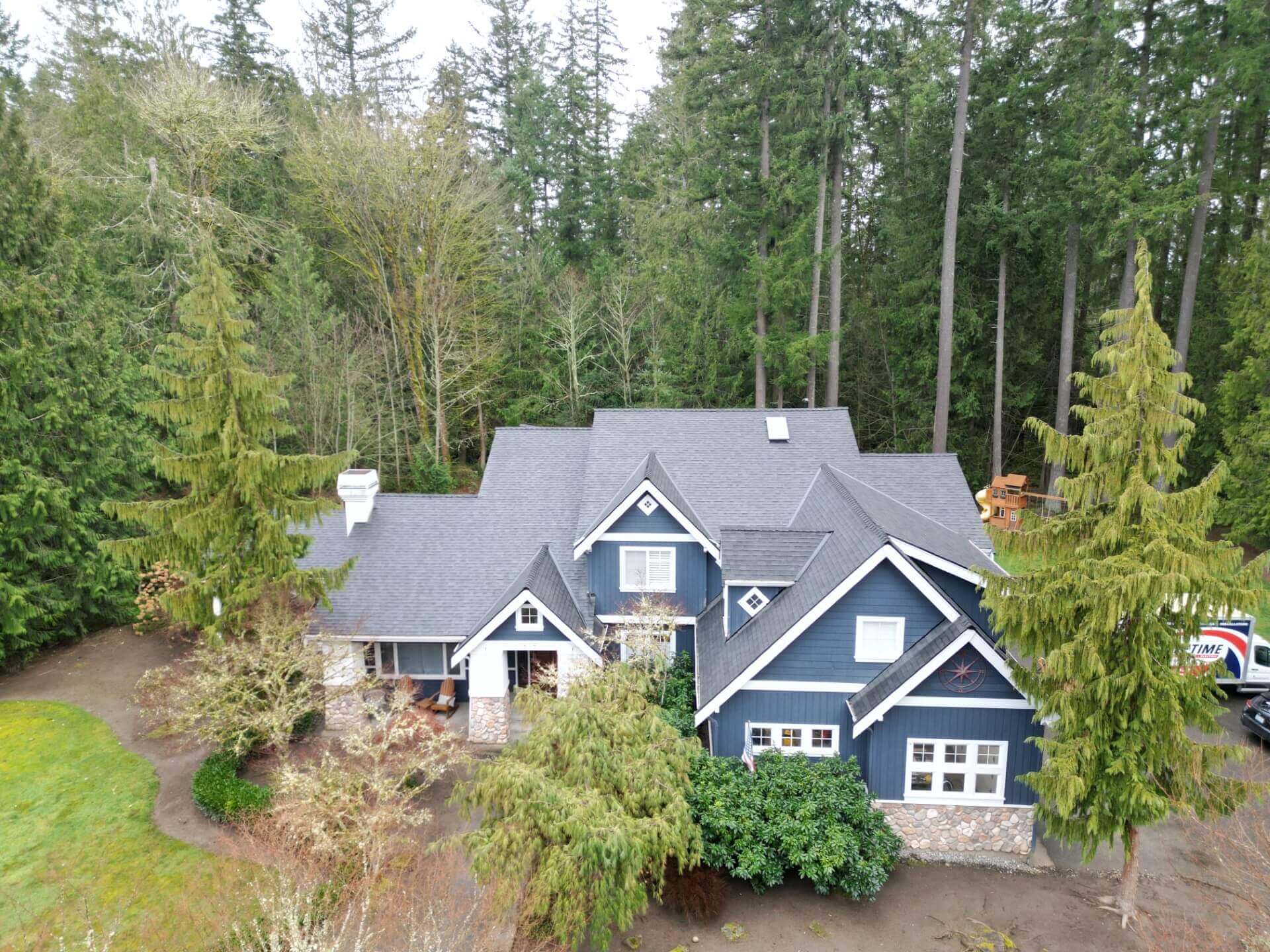
Redirects
Composition Shingle Roofing FAQs:
How much does composition roofing cost in Seattle?
In Seattle, prices vary based on shingle type and home size—but generally range between $4–$15 per square foot installed. Architecturals cost more than 3‑tabs but last longer. To get accurate pricing for your home, request a free estimate.
What types of composition shingles are available?
You’ll usually see:
-
3‑Tab: Budget-friendly, 15–25 yr life
-
Architectural (Dimensional): More durable and stylish, 25–30 yr life
-
Luxury/Designer: Premium look, 30–50 yr life
Will composition shingles handle Seattle windstorms?
Yes—as long as installation is solid, shingles withstand wind and coastal storms well. Wind resistance ratings are available for extra peace of mind.
Do composition roofs work in damp, moss-prone climates?
Absolutely. Properly ventilated and maintained composition shingles resist moisture—and algae/moss—effectively when cleaned annually.
How long should I expect the composition shingle roofing to last?
Expect 20–50 years, depending on composition roofing shingle quality, climate, and upkeep. Architecturals offer durability on par with more expensive options without the cost
Videos


Arizona Roofs Need Arizona Thinking
Concrete and clay tile over underlayment. Asphalt shingles working against sustained heat. Flat and low-slope areas that move water in a completely different way from a steep roof. Foam and coatings that need compatible products and honest surface preparation. Most Phoenix-area properties have more than one of these, and the transitions between them are where a lot of leaks start.


