
The sections below cover the two panel systems, how metal handles the daily temperature swing here, and where it genuinely fits on an Arizona property.
Metal roofing performs well in desert conditions and is common on both contemporary residential architecture and light commercial buildings across Arizona. It suits contemporary architecture, low-slope applications where a standing seam profile is rated for the pitch, and owners who value longevity over lowest first cost.

Metal Roofing Content
Standing Seam and Exposed Fastener
Standing seam conceals its fasteners beneath raised, interlocking seams. Nothing penetrates the weather surface in the field, which removes the most common metal roof failure point. It costs more and requires more skill to install correctly.
Exposed fastener systems screw through the panel face with a washer at each fastener. They cost considerably less and install faster. The trade-off is that every fastener is a penetration with a gasket, and gaskets age. On an exposed fastener roof, periodic fastener inspection and replacement is part of ownership rather than a defect.
Metal Over an Existing Roof
Metal panels are light enough that installing over an existing shingle roof is sometimes proposed as a saving. The same objections apply as to layering shingles: the decking goes uninspected, the existing underlayment and flashings are never assessed, and any concealed damage stays concealed.
There is an additional consideration specific to metal. Panels installed over an uneven substrate telegraph that unevenness, and the result is visible along every panel run in raking light.
Thermal Movement
Metal expands and contracts more than tile or shingle, and Arizona's daily temperature swing is large. A correctly designed metal roof accommodates that movement through its attachment method and panel design.
A roof that does not accommodate it develops elongated fastener holes, oil-canning distortion, and seam stress. This is a design and installation question rather than a material quality one, which is why metal rewards an experienced installer more than most systems.
Reflectance
Metal panels are available with reflective finishes carrying rated solar reflectance and thermal emittance figures. As everywhere else on this site, we will give you the ratings and will not convert them into a utility saving, because that depends on your building rather than on the roof alone.
Finish and Coating Systems
The panel is steel or aluminum; the finish determines how it looks in fifteen years. Finish systems differ substantially in fade and chalk resistance, and in a high-ultraviolet climate that difference is visible rather than theoretical.
Ask what finish system is specified and what its warranty covers separately from the panel itself, since fade and chalk are frequently covered under different terms and for different periods than structural or perforation coverage.
Where Metal Fits
It suits contemporary architecture, low-slope applications where a standing seam profile is rated for the pitch, agricultural and light industrial buildings, and properties where longevity is valued over lowest first cost.
It is generally a poor fit where a managed community prescribes tile, and where the structure and detailing would require substantial modification to accept it.
Cost Against Service Life
Metal generally costs more up front than shingle and is broadly comparable to or above tile depending on the system. The case for it rests on service life and low maintenance rather than on first cost.
That makes intended holding period unusually decisive. A metal roof's economics work for an owner staying long enough to realize the longevity. For a property being sold within a few years, the premium is unlikely to be recovered.
Practical Considerations Specific to Metal
- Walkability. Some panel profiles dent underfoot, which matters if rooftop equipment needs regular service. Ask about it if your roof carries plant.
- Fastener maintenance. On exposed fastener systems, gaskets age and periodic inspection and replacement is part of ownership rather than a defect.
- Attachment to structure. Panel design and attachment must accommodate thermal movement, which in this climate is substantial.
- Future penetrations. Adding a vent or solar mount to a standing seam roof later needs doing correctly, since the system's advantage is that nothing penetrates the field.
Availability
Metal roofing is confirmed for our Arizona operation, in both standing seam and exposed fastener systems. Where we do not install a system ourselves, we will say so rather than taking the work and subcontracting it without telling you.
Frequently Asked Questions
Is metal roofing a good choice in Arizona heat?
It performs well, with reflective finishes available that carry rated solar reflectance figures. The design consideration specific to this climate is thermal movement, since metal expands and contracts more than tile or shingle and the daily temperature swing here is large. A correctly designed system accommodates that; one that does not develops fastener and seam problems.
What is the difference between standing seam and exposed fastener metal?
Standing seam conceals fasteners beneath interlocking raised seams, so nothing penetrates the weather surface in the field. Exposed fastener systems screw through the panel face with a gasketed washer at each point. Exposed fastener costs considerably less; the trade-off is that gaskets age and periodic fastener maintenance becomes part of ownership.
Is a metal roof noisy in rain?
Less than people expect on a residential installation, because the panels sit over decking and underlayment rather than over open framing. The perception comes from agricultural buildings where panels are fixed directly to purlins with nothing beneath. Attic insulation reduces it further.
Will my HOA allow a metal roof?
Frequently not, particularly in communities where tile is prescribed by the governing documents. Approval rests with the association rather than with us. Confirm what is permitted before investing time in selecting a metal system, since this is one of the more common reasons a metal project does not proceed.
Ask what the underlayment spec is before you compare tile prices. Or call (480) 565-7663.
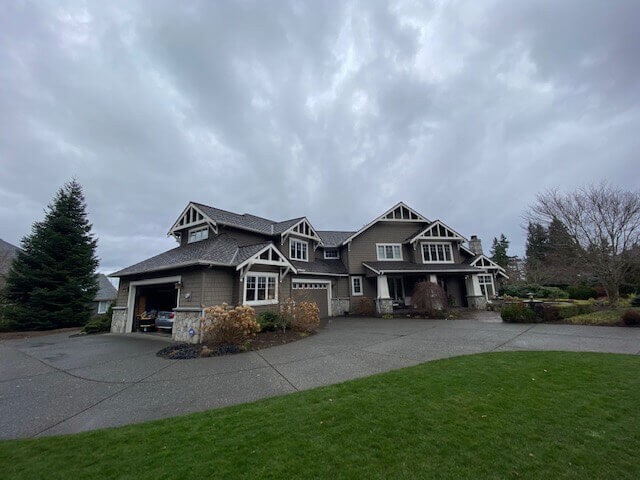
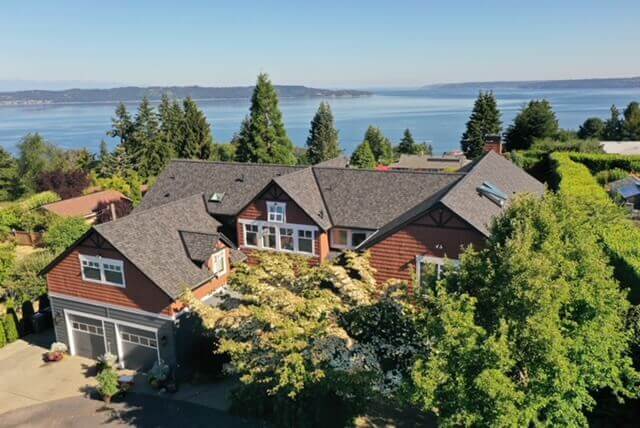
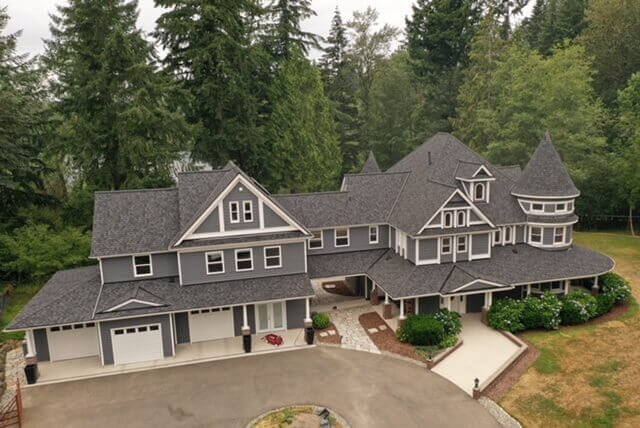
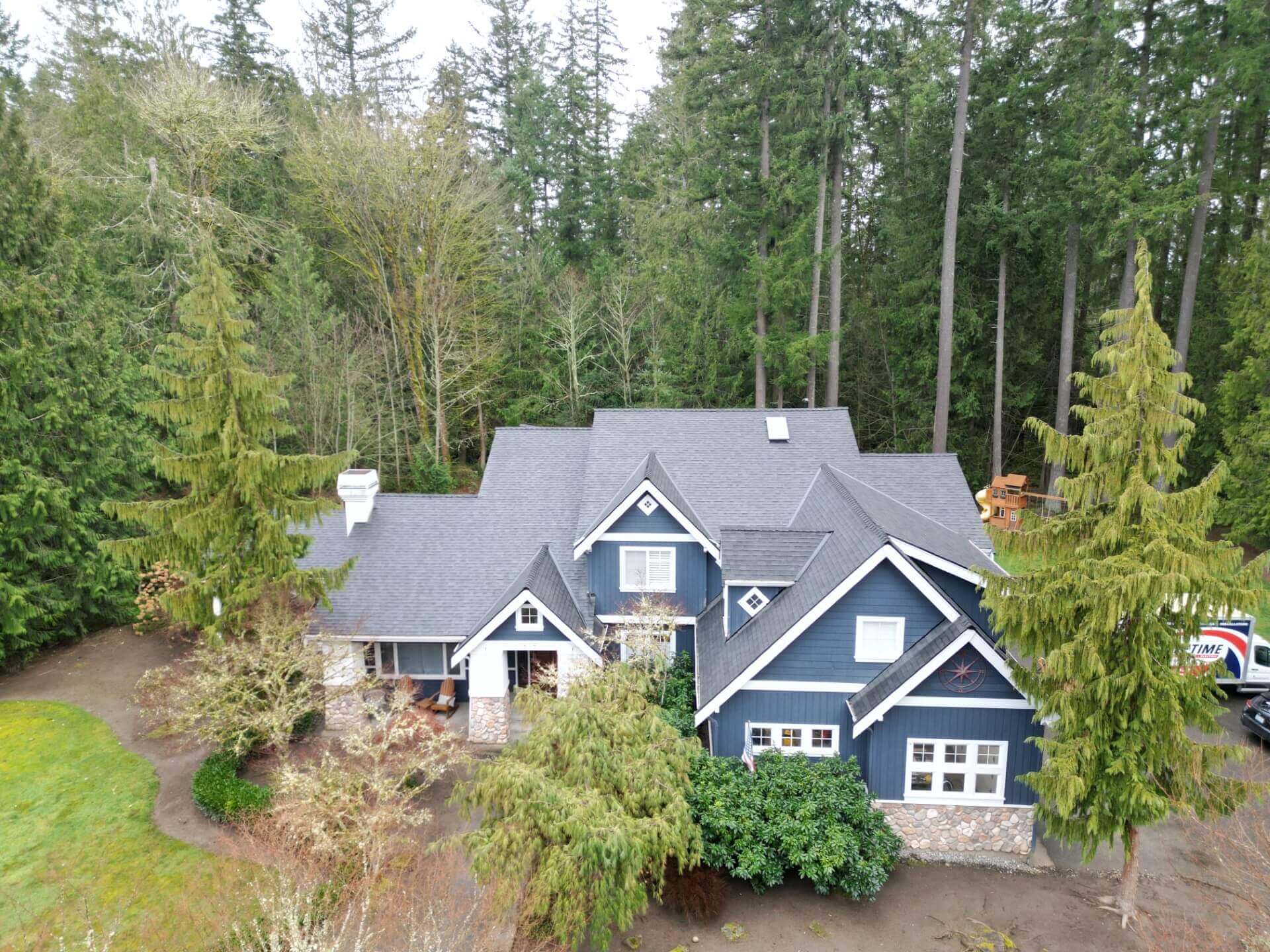
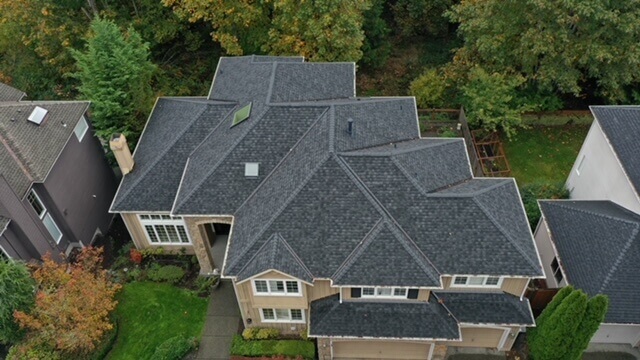
Metal Roofing Photo Gallery
Redirects
Composition Shingle Roofing FAQs:
How much does composition roofing cost in Seattle?
In Seattle, prices vary based on shingle type and home size—but generally range between $4–$15 per square foot installed. Architecturals cost more than 3‑tabs but last longer. To get accurate pricing for your home, request a free estimate.
What types of composition shingles are available?
You’ll usually see:
-
3‑Tab: Budget-friendly, 15–25 yr life
-
Architectural (Dimensional): More durable and stylish, 25–30 yr life
-
Luxury/Designer: Premium look, 30–50 yr life
Will composition shingles handle Seattle windstorms?
Yes—as long as installation is solid, shingles withstand wind and coastal storms well. Wind resistance ratings are available for extra peace of mind.
Do composition roofs work in damp, moss-prone climates?
Absolutely. Properly ventilated and maintained composition shingles resist moisture—and algae/moss—effectively when cleaned annually.
How long should I expect the composition shingle roofing to last?
Expect 20–50 years, depending on composition roofing shingle quality, climate, and upkeep. Architecturals offer durability on par with more expensive options without the cost
Videos


Arizona Roofs Need Arizona Thinking
Concrete and clay tile over underlayment. Asphalt shingles working against sustained heat. Flat and low-slope areas that move water in a completely different way from a steep roof. Foam and coatings that need compatible products and honest surface preparation. Most Phoenix-area properties have more than one of these, and the transitions between them are where a lot of leaks start.


