

Nobody chooses these on appearance and nobody sees them afterward. What follows is why they decide more about your roof's service life than the material on top.
These are the parts of a roof nobody chooses on appearance and nobody sees once the job is finished. On an Arizona roof they determine more about service life than the material on top of them.

Underlayment & Ventilation Content
Underlayment Is the Waterproofing
On a tile roof especially, this is the layer that keeps water out. Tile sheds most of it and shields what is below from sun and impact, but the underlayment is what stops water reaching your decking, and it wears out well before the tile does.
Which means the underlayment specification is arguably the most consequential line item in a tile roof proposal, and it is the one most often written vaguely.
What to Ask For
The product by name. "Synthetic underlayment" is a category, not a specification. Products within it differ substantially in temperature rating, tear strength, ultraviolet exposure tolerance and warranty term.
The temperature rating. Attic and roof-deck temperatures in a Phoenix summer are severe, and a product rated for a milder climate ages faster than its warranty implies. High-temperature products exist for exactly this reason.
Exposure tolerance. During a tile lift-and-relay the underlayment sits exposed until tile goes back on. How long a product tolerates that matters on a project that runs longer than planned.
Felt and Synthetic
Traditional asphalt-saturated felt is still used and still permitted. Synthetics are generally lighter, stronger against tearing, more dimensionally stable in heat, and typically carry longer warranty terms.
The relevant point for a buyer is not that one is universally better but that "underlayment" on a proposal tells you nothing. Get the product name.
Ridge, Turbine and Powered Exhaust
Exhaust comes in several forms and mixing types on one roof can work against you, because air takes the easiest path and a powered vent can pull from a passive one rather than from the eaves.
Ridge venting runs the length of the ridge and works with the natural stack effect. Turbines are wind-driven. Powered vents move air actively and need adequate intake or they draw conditioned air from the house through ceiling gaps. Whichever is used, intake at the eaves is what makes it work.
Ventilation
Attic ventilation controls how hot the roof assembly runs, which affects how fast the materials above it age. It gets treated as an afterthought and it should not be.
A working system needs intake low at the eaves and exhaust higher up, with enough net free area for the space. Balance matters: exhaust without adequate intake does not move air, it just looks like ventilation.
The Most Common Problem We Find
Blocked soffit vents, usually from insulation installed over them during an energy upgrade. The intake is physically there and doing nothing.
It is inexpensive to correct and frequently never noticed, because from the ground the vents are visible and appear fine. A roof replacement is the natural moment to check and fix it, since addressing it separately costs considerably more. See asphalt shingle roofing.
Why This Page Exists
Because underlayment and ventilation are where roofing proposals are vaguest, and where vagueness costs the most.
A homeowner comparing two tile quotes will study the tile profile, the color and the price. Both proposals will say "underlayment" and neither will be questioned. Yet the underlayment is what determines when the roof next needs significant work, and the difference between a standard product and a high-temperature one is years of service life on an Arizona roof.
Asking for the product name is the single highest-value question available to someone comparing roofing quotes, and almost nobody asks it.
Ventilation Is Cheaper Now Than Later
Correcting blocked soffit vents or inadequate exhaust during a roof replacement costs a fraction of addressing it as a standalone project, because access and crews are already in place.
If a replacement proposal does not mention ventilation at all, that is worth raising. It does not mean the contractor is cutting corners, but it does mean nobody has assessed a system that directly affects how long your new roof lasts.
What to Specify
- Underlayment product by name and temperature rating
- Number of layers and lap detail
- Flashing material at valleys, walls and penetrations
- Intake and exhaust ventilation type and quantity
- Whether existing ventilation is being assessed or only replaced like for like
Frequently Asked Questions
What underlayment should I use on an Arizona tile roof?
Ask for a product name and a temperature rating rather than accepting a category. Roof-deck temperatures in a Phoenix summer are severe, and a product rated for a milder climate ages faster than its warranty term implies. High-temperature products exist specifically for this, and the specification is the most consequential line in a tile proposal.
Is synthetic underlayment better than felt?
Synthetics are generally lighter, more tear-resistant, more dimensionally stable in heat, and carry longer warranty terms. Felt is still used and still permitted. The more useful point is that products within each category vary substantially, so the specification matters more than the category label.
How do I know if my attic ventilation is adequate?
Signs of a problem include extreme attic temperatures and visibly blocked soffit vents. Balance matters as much as quantity, since exhaust without adequate intake does not move air. Ventilation can be assessed during a roof evaluation, and it is usually far cheaper to correct during a replacement than separately.
Why do blocked soffit vents matter so much?
They are the intake half of the system, and without intake the exhaust cannot move air. Insulation installed over them during an energy upgrade is the most common cause, and it is easy to miss because from the ground the vents look fine. Correcting it is inexpensive and improves how the whole assembly runs.
Ask what the underlayment spec is before you compare tile prices. Or call (480) 565-7663.
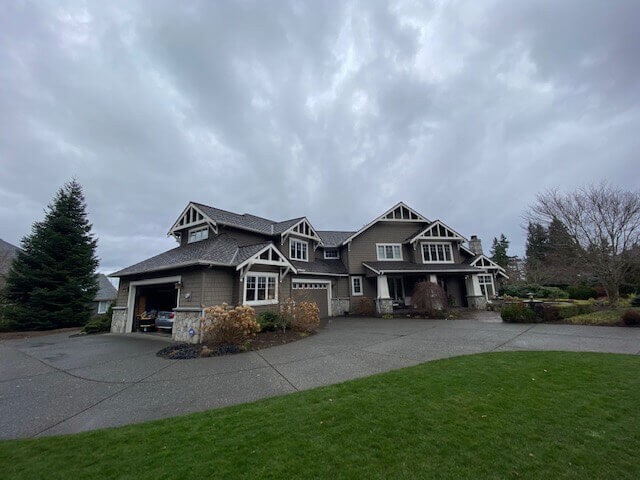
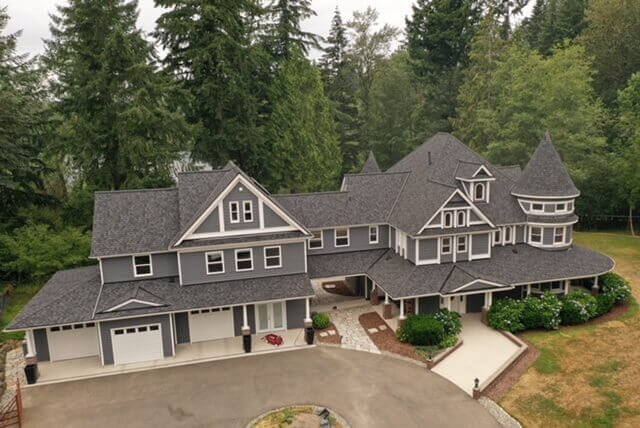
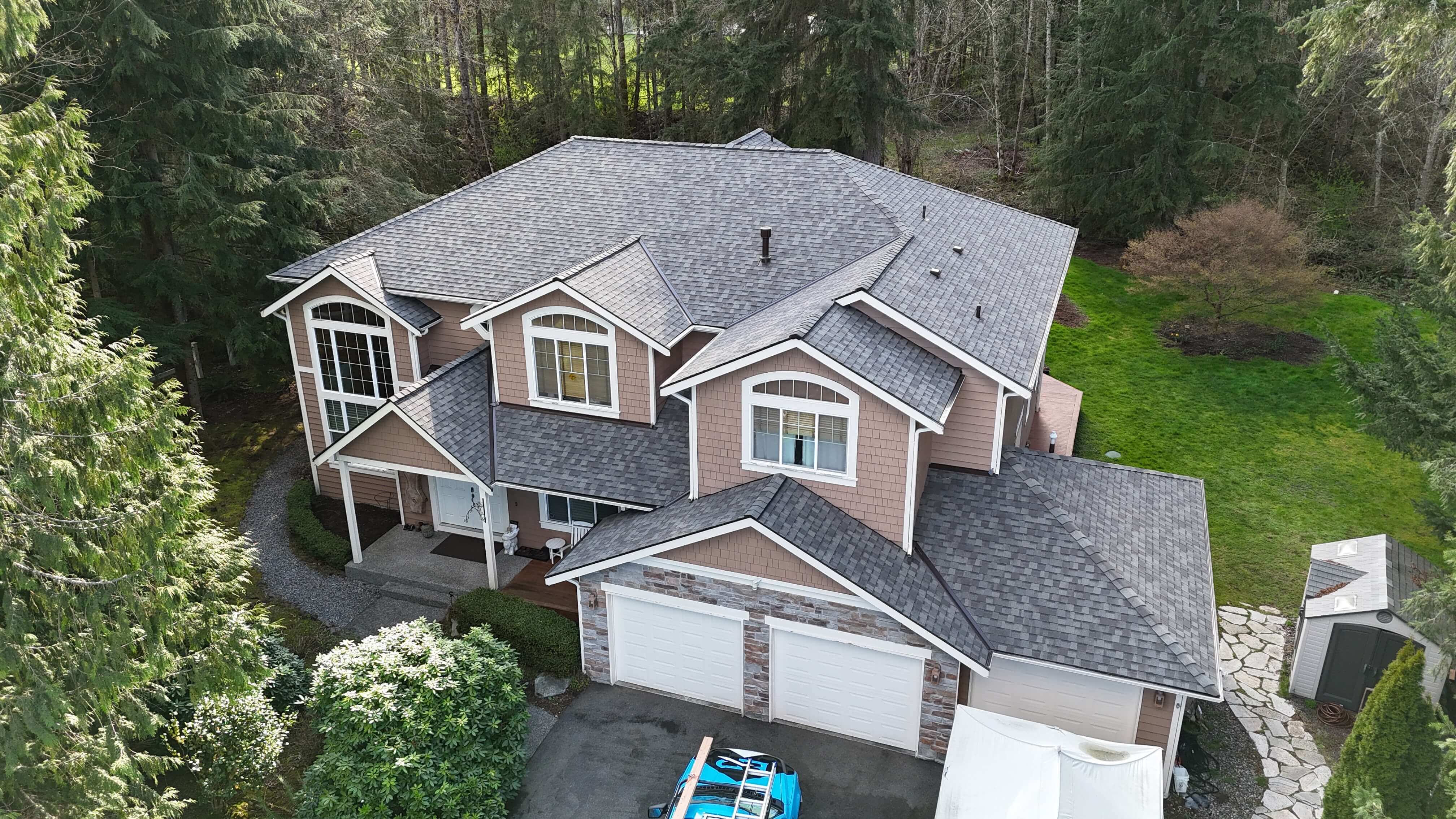
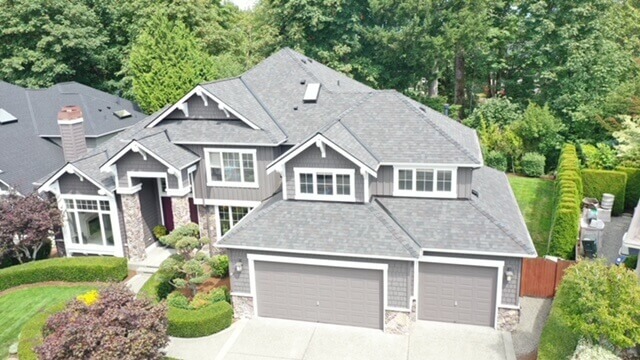
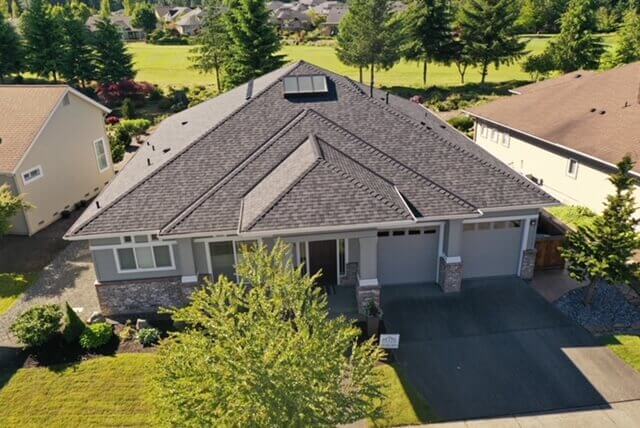
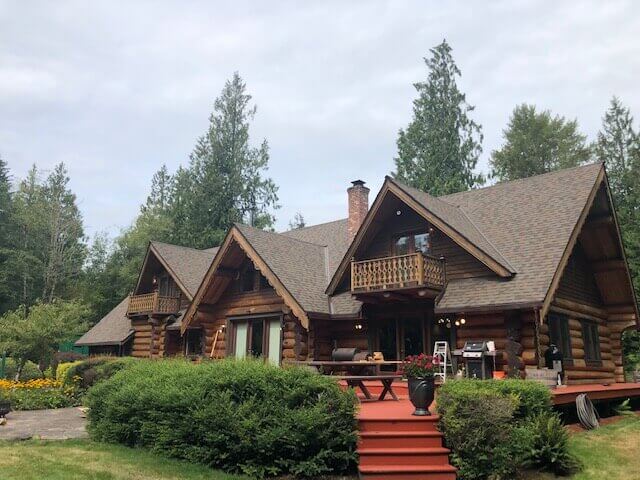
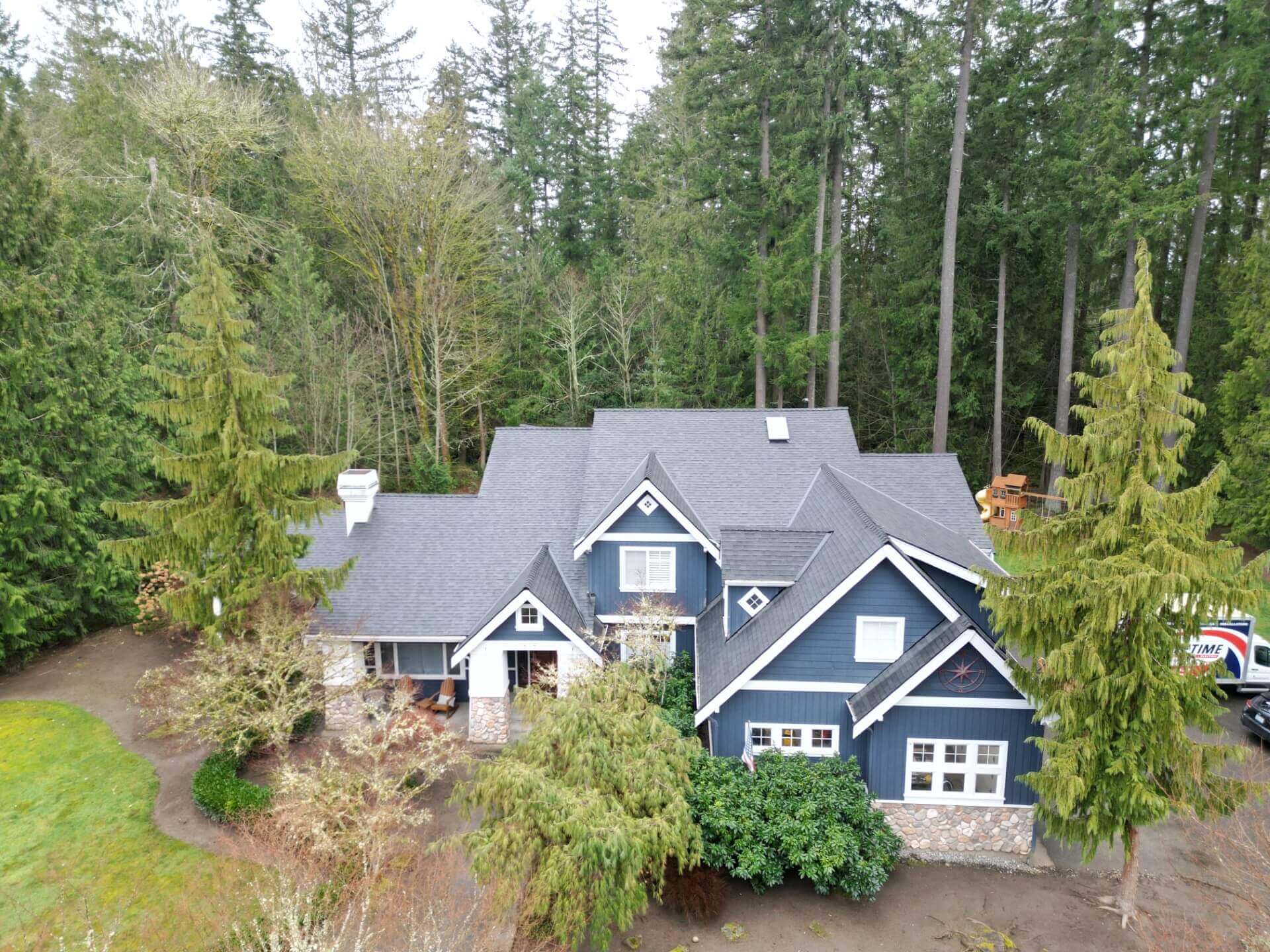
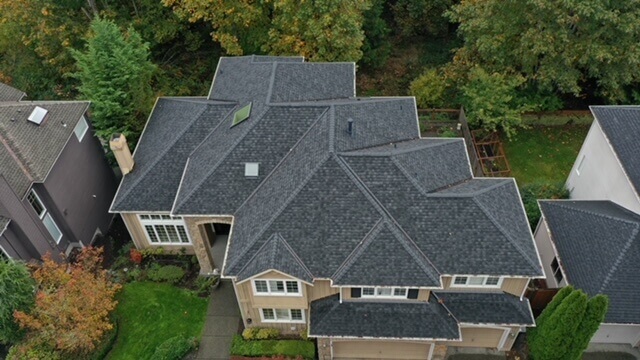
Underlayment & Ventilation Photo Gallery

Redirects
Composition Shingle Roofing FAQs:
How much does composition roofing cost in Seattle?
In Seattle, prices vary based on shingle type and home size—but generally range between $4–$15 per square foot installed. Architecturals cost more than 3‑tabs but last longer. To get accurate pricing for your home, request a free estimate.
What types of composition shingles are available?
You’ll usually see:
-
3‑Tab: Budget-friendly, 15–25 yr life
-
Architectural (Dimensional): More durable and stylish, 25–30 yr life
-
Luxury/Designer: Premium look, 30–50 yr life
Will composition shingles handle Seattle windstorms?
Yes—as long as installation is solid, shingles withstand wind and coastal storms well. Wind resistance ratings are available for extra peace of mind.
Do composition roofs work in damp, moss-prone climates?
Absolutely. Properly ventilated and maintained composition shingles resist moisture—and algae/moss—effectively when cleaned annually.
How long should I expect the composition shingle roofing to last?
Expect 20–50 years, depending on composition roofing shingle quality, climate, and upkeep. Architecturals offer durability on par with more expensive options without the cost
Videos


Arizona Roofs Need Arizona Thinking
Concrete and clay tile over underlayment. Asphalt shingles working against sustained heat. Flat and low-slope areas that move water in a completely different way from a steep roof. Foam and coatings that need compatible products and honest surface preparation. Most Phoenix-area properties have more than one of these, and the transitions between them are where a lot of leaks start.


