
The sections below cover why the underlayment brand deserves more attention than it gets on a tile proposal, and the specific properties worth asking about here.
Polyglass manufactures roofing underlayment and membrane products, including self-adhered and modified bitumen systems used beneath tile and shingle roofs. On a tile roof this is the layer that keeps water out, and the layer that determines when you will next face significant roofing cost.(44 words)
Polyglass Underlayment Content
Why the Underlayment Brand Deserves Attention
On a tile roof this is the layer that keeps water out, and it is the layer that determines when you will next face significant roofing cost. The tile above it is the part you look at and the part manufacturers market.
So a proposal that names the tile manufacturer precisely and describes the underlayment as "synthetic underlayment" has specified the decorative layer and left the functional one vague. That is worth pushing back on.
High-Temperature Products
Roof-deck temperatures under tile in a Phoenix summer are severe, and this is the single most important underlayment property in this market.
Products carry temperature ratings, and a product rated for a milder climate ages faster here than its warranty term suggests. High-temperature formulations exist specifically for this application. Ask for the rating rather than assuming a premium product is automatically suited to desert conditions.
Self-Adhered Membranes
Self-adhered products bond to the deck rather than relying solely on fasteners, which seals around fastener penetrations rather than leaving them as pathways.
That matters at valleys, penetrations and roof-to-wall details, which is where the majority of tile roof leaks originate rather than in open field. Some specifications use a self-adhered product at those details with a different product across the field, which is a reasonable and economical approach.
Exposure Tolerance
During a tile lift-and-relay the underlayment sits exposed until tile goes back on, and projects run longer than planned for ordinary reasons: weather, sourcing, discovered deck damage.
Ask how long a product tolerates exposure. A product with a short exposure window on a project that stretches is a problem nobody planned for.
Where Underlayment Failures Actually Start
Not usually in the open field. They start at valleys, at roof-to-wall junctions, around penetrations and at transitions between roof areas, because those are where water concentrates and where the detail depends on installation rather than on the product alone.
Which means a premium underlayment across the field with ordinary detailing at the valleys is a poor allocation. Ask what product goes at the details, not just what goes on the roof.
What to Specify
- Product name and temperature rating
- Whether it is self-adhered, mechanically fastened, or a combination by roof area
- Exposure tolerance in days
- Number of layers and lap detail
- Whether the underlayment and tile warranties interact as a system
Our Relationship With This Manufacturer
Elite Roofing has confirmed it works with this manufacturer and installs their products in Arizona. Whether we hold a formal certification or authorized-installer credential with them, and at what tier, is [CLIENT: confirm certification tiers], and obtainable warranty tiers are [CLIENT: confirm product warranties].
We will tell you plainly whether we hold a certification with a manufacturer or simply install their products, because those are different things and the difference affects what warranty you can actually get. See warranties.
Frequently Asked Questions
Why does the underlayment brand matter on a tile roof?
Because the underlayment is what keeps water out and what determines when you next face significant roofing cost. The tile is the protective and decorative shell. A proposal naming the tile manufacturer precisely while describing underlayment as a generic category has specified the decorative layer and left the functional one vague.
What is a high-temperature underlayment?
A product formulated to tolerate the very high temperatures that occur under tile in extreme heat. Roof-deck temperatures in a Phoenix summer are severe, and a product rated for a milder climate ages faster than its warranty term implies. Ask for the temperature rating rather than assuming a premium product suits desert conditions.
What does self-adhered underlayment do differently?
It bonds to the deck rather than relying solely on fasteners, which seals around fastener penetrations instead of leaving them as pathways. That matters most at valleys, penetrations and roof-to-wall details, which is where most tile roof leaks originate. Some specifications use it at those details with a different product across the field.
How long can underlayment stay exposed during a project?
It varies by product and is worth asking about, because during a lift-and-relay the underlayment sits exposed until tile goes back on. Projects run long for ordinary reasons including weather, material sourcing and discovered deck damage. A short exposure window on a project that stretches becomes a problem nobody planned for.
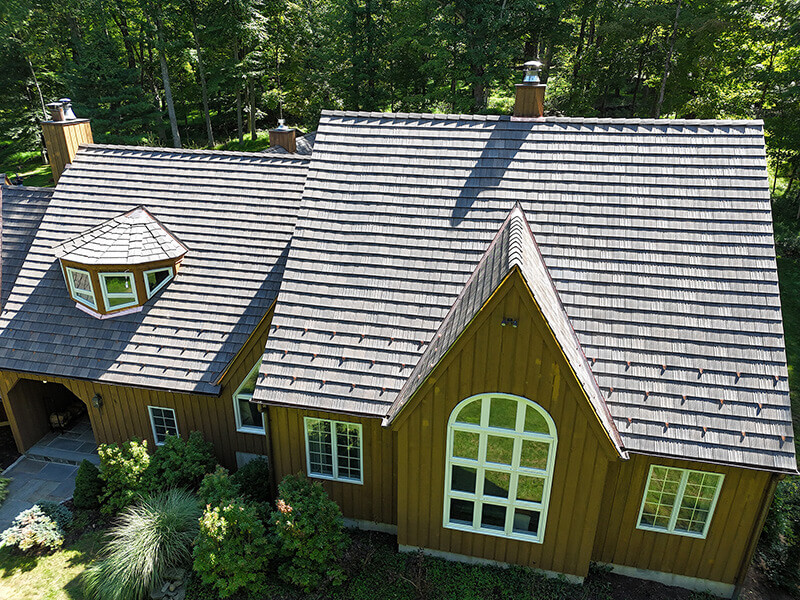
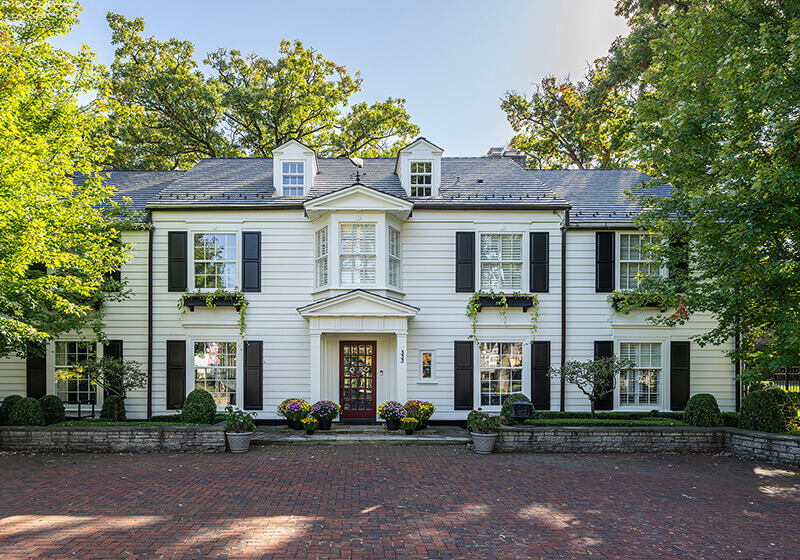
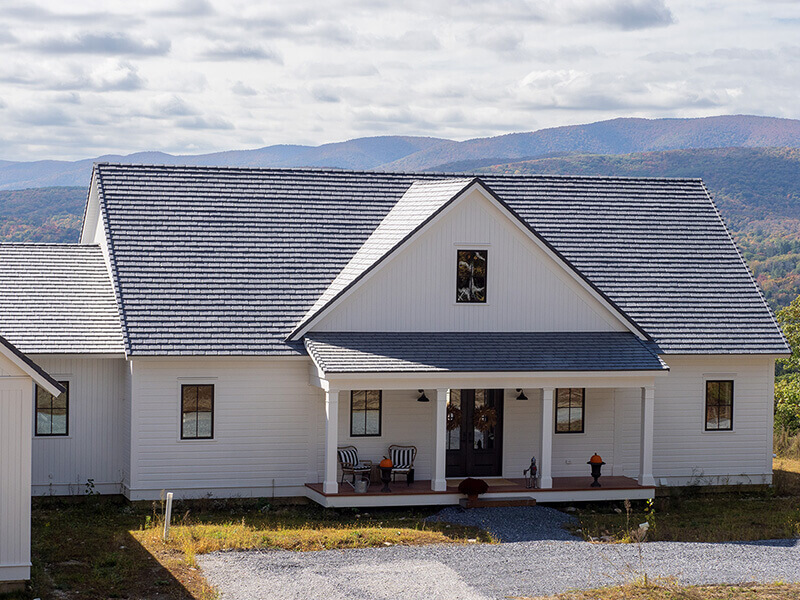
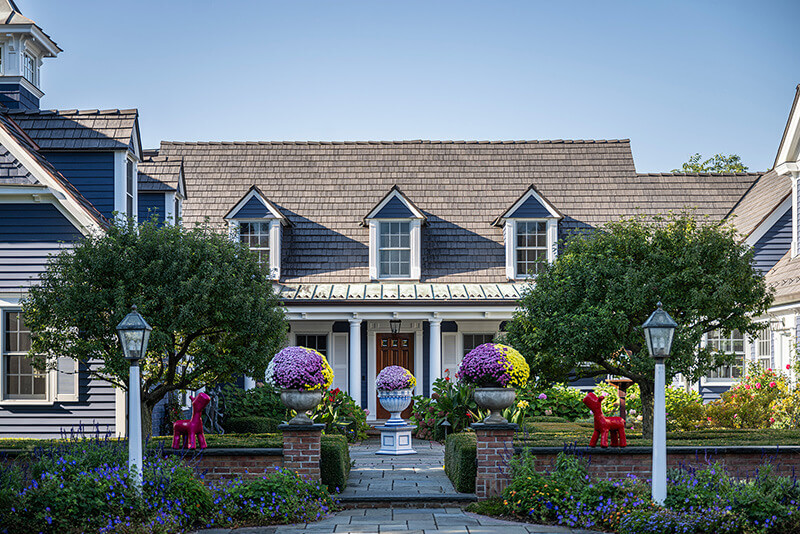
Polyglass Underlayment Photo Gallery

Redirects
DaVinci Roofscapes Roofing FAQs:
How much does DaVinci Roofscapes Roofing cost in the Seattle area?
Expect $12–$20 per square foot installed, depending on product style and roof complexity. While premium-priced, the long lifespan and reduced upkeep balance the investment over time. To get accurate pricing for your home, request a free estimate.
How long do these synthetic tiles last in the Seattle area?
With proper installation, DaVinci roofs last 40–50+ years, thanks to UV stabilization and strong weather resistance.
Will DaVinci roofing resist moss and algae?
Yes—unlike wood or stone, the synthetic polymer resists moisture retention, making it ideal for Seattle’s damp, shaded environments.
Is DaVinci roofing safe for wildfire zones or insurance purposes?
Yes—these roofs carry Class A fire ratings, and their impact and wind resistance may reduce premium costs in high-risk zones.
Are DaVinci roofing tiles recyclable?
Absolutely. Their “Cool Roof” and recycling program lets you return scrap or old tiles to the factory for reprocessing—limiting waste.
Can DaVinci roofing be installed on commercial buildings as well as homes?
Definitely. The lightweight, durable design suits both residential and commercial structures, offering curb-worthy results and low maintenance across property types.
More Underlayment & Ventilation


