
Which system suits a building depends on the deck, the existing assembly and how the roof is used. The families below each solve a different version of that problem.
Commercial low-slope roofs in Arizona come down to a handful of system families. The right one depends on the deck, the existing assembly, rooftop equipment, how the building is used, and how long the owner intends to hold it.
Commercial Roof Systems Content
Single-Ply Membranes
Sheets of membrane mechanically fastened, adhered or ballasted, with seams welded or bonded. The main families differ in chemistry and in how they handle ultraviolet exposure, chemical contact and foot traffic.
The general trade-off is that single-ply installs efficiently over large open areas and is economical at scale. Its weak point is the seams and the details around penetrations, which is where failures concentrate. On a roof crowded with equipment curbs, that matters more than on a clean warehouse deck.
Modified Bitumen
Asphalt-based sheets applied in layers, torch-applied, cold-adhered or self-adhered depending on the product and the building's constraints. It is durable underfoot, which suits roofs with regular maintenance traffic, and it repairs readily with compatible materials.
Foam and Coatings
Spray polyurethane foam under a protective coating is common on Arizona commercial buildings and handles complex roofs with many penetrations particularly well, because it has no joints and self-flashes. It requires periodic recoating, which is a maintenance commitment rather than a drawback if the owner plans for it. See spray foam roofing.
Tapered Insulation and Drainage
Where a low-slope roof ponds because the original slope is inadequate rather than because drains are blocked, tapered insulation can build slope into the assembly during replacement.
It adds cost and it addresses a cause rather than a symptom. On a roof with chronic ponding that has already shortened one system's life, correcting drainage during replacement is usually better value than installing a new system into the same conditions that ended the last one.
Restoration Instead of Replacement
On a sound, dry assembly, a restoration combining repairs with a full recoat can reset service life at a fraction of replacement cost, and can often be repeated.
The determining factor is always whether moisture is present in the assembly. That is established by survey, not by inspection from a ladder. See roof coating systems.
Warranty Types on Commercial Roofs
Commercial warranty structures differ from residential ones in a way worth understanding.
A material-only warranty covers the product. A labor-and-material warranty covers installation as well. A no-dollar-limit warranty, where available, covers repair cost without a cap up to the term. The premium between them is real, and so is the difference at the point of a failure.
Most also require documented periodic inspection to stay in force, which is a maintenance obligation rather than a formality. Ask what keeps the coverage alive before assuming the term is the whole story.
Choosing on a Multi-Area Roof
Buildings accumulate roofs: an original section, an addition, a re-roofed wing. Different systems, different ages, different remaining life.
Treating that as one roof produces either a replacement number larger than necessary or a strategy that ignores the section about to fail. Map the areas first. See commercial roofing.
Decision Factors on a Commercial Roof
Ranked roughly by how often they turn out to be decisive.
Existing assembly condition. Whether moisture is present determines whether restoration is available at all, and that single fact frequently decides the project.
Rooftop equipment density. A roof crowded with curbs and penetrations favors systems that handle details well over systems that install fast across open area.
Holding period. An owner selling in three years and one holding for twenty are making different decisions, and neither is wrong.
Operational disruption tolerance. Odor, noise and access constraints on an occupied building genuinely narrow the option set.
Maintenance capacity. Systems requiring periodic renewal suit owners with a maintenance budget and fail early with owners who lack one.
Documentation Before Product Selection
Choosing a system before mapping the roof is the most common sequencing error on commercial work. A condition review that identifies roof areas, systems, ages and moisture presence turns one large uncertain decision into several smaller informed ones, and it frequently reduces the number.
What We Install
We install the full range of commercial systems described here and commercial license classification is [CLIENT: confirm commercial classification]. We will tell you directly if your roof falls outside what we currently service rather than you finding out partway through.
Frequently Asked Questions
Which commercial roofing system is best for an Arizona building?
It depends on the deck, the existing assembly, rooftop equipment density, building use and holding period. Single-ply installs economically over large open areas but concentrates risk at seams and penetrations. Foam handles equipment-heavy roofs well because it has no joints, at the cost of a recoating commitment. There is no universal answer.
Can we restore rather than replace our commercial roof?
Often, when the deck is sound, the assembly is dry, drainage works and adhesion tests acceptably. Restoration combining repairs with a full recoat can reset service life at a fraction of replacement cost and can frequently be repeated. Whether moisture is present in the assembly is the determining factor and requires a survey.
Do different roof areas need the same system?
Not necessarily, and forcing uniformity across areas of different ages and conditions usually costs more than it saves. Mapping the areas first lets you sequence work across budget years and address the section that actually needs attention. Tie-in details between systems need designing rather than improvising.
How disruptive is commercial roofing work to tenants?
It depends on the system and how the work is planned. Access, staging, parking, noise, odor and coordination around rooftop equipment all shape it, and agreeing those before crews arrive prevents most problems. Some products have significant odor during application, which needs coordinating around air intakes and occupancy.
Ask what the underlayment spec is before you compare tile prices. Or call (480) 565-7663.
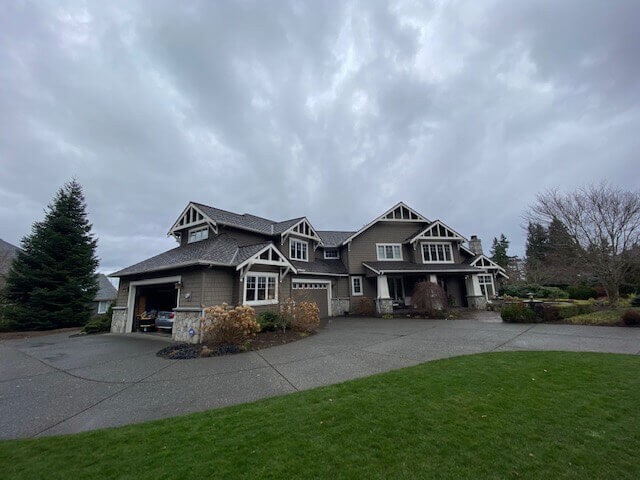
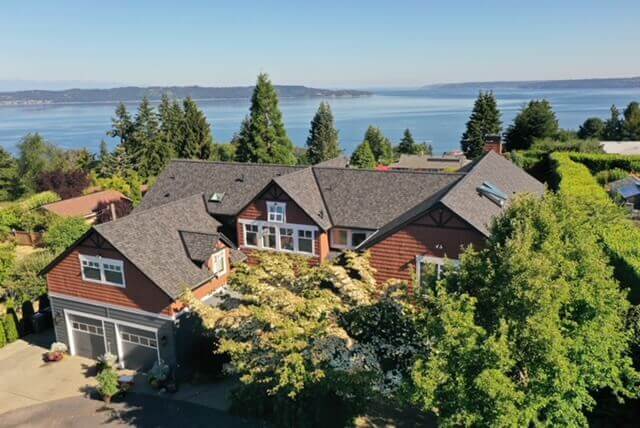
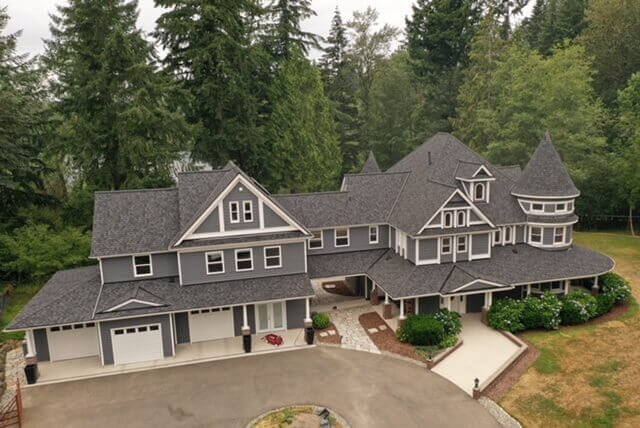
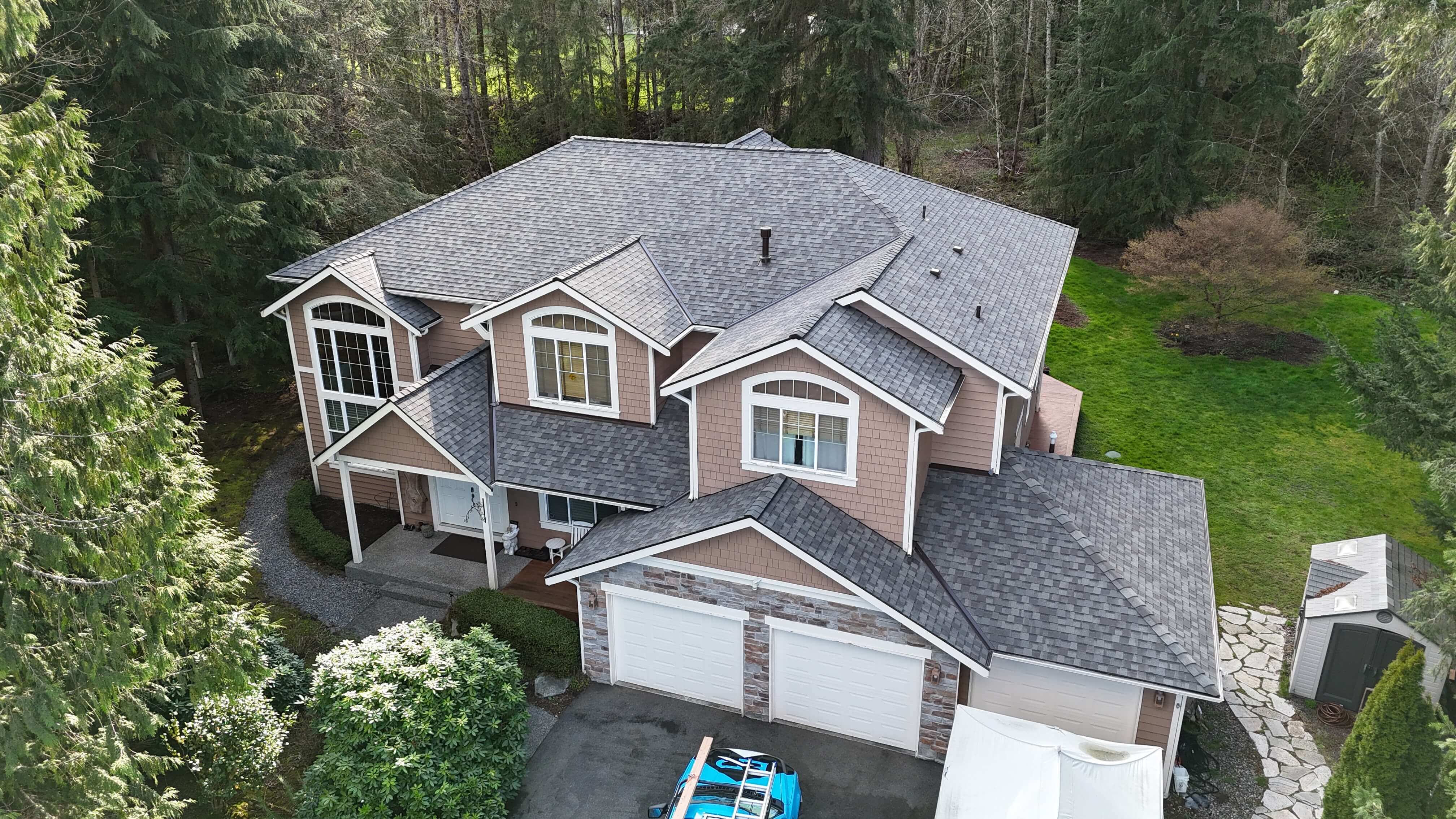
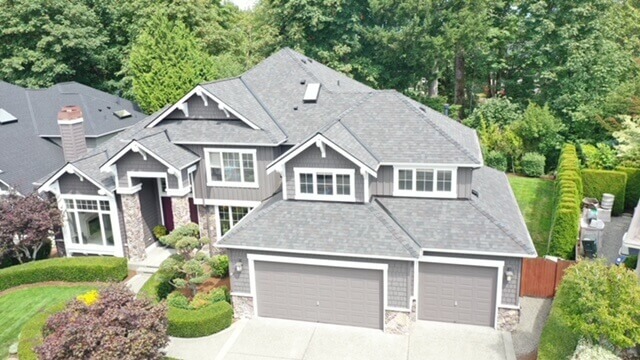
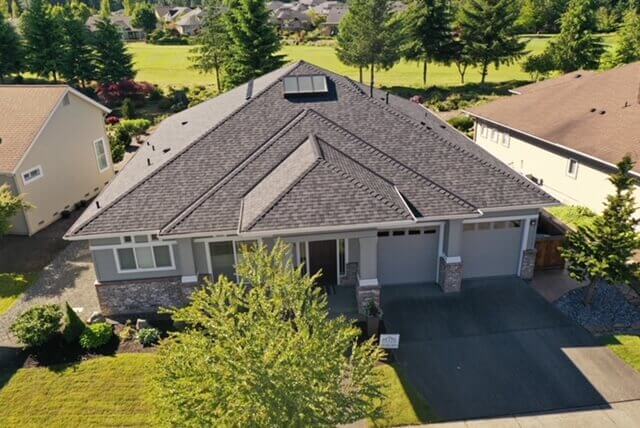
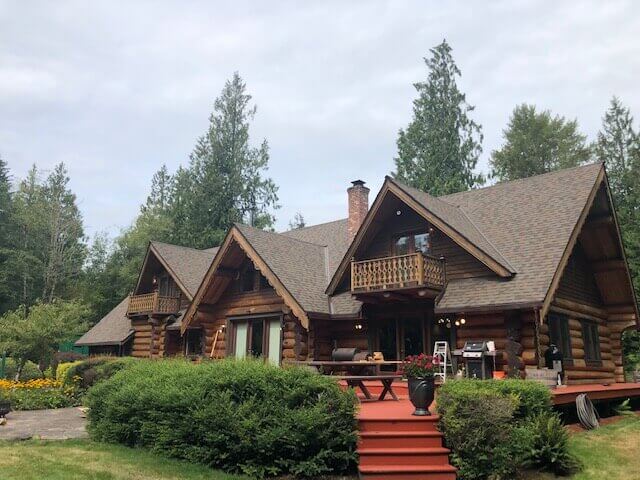
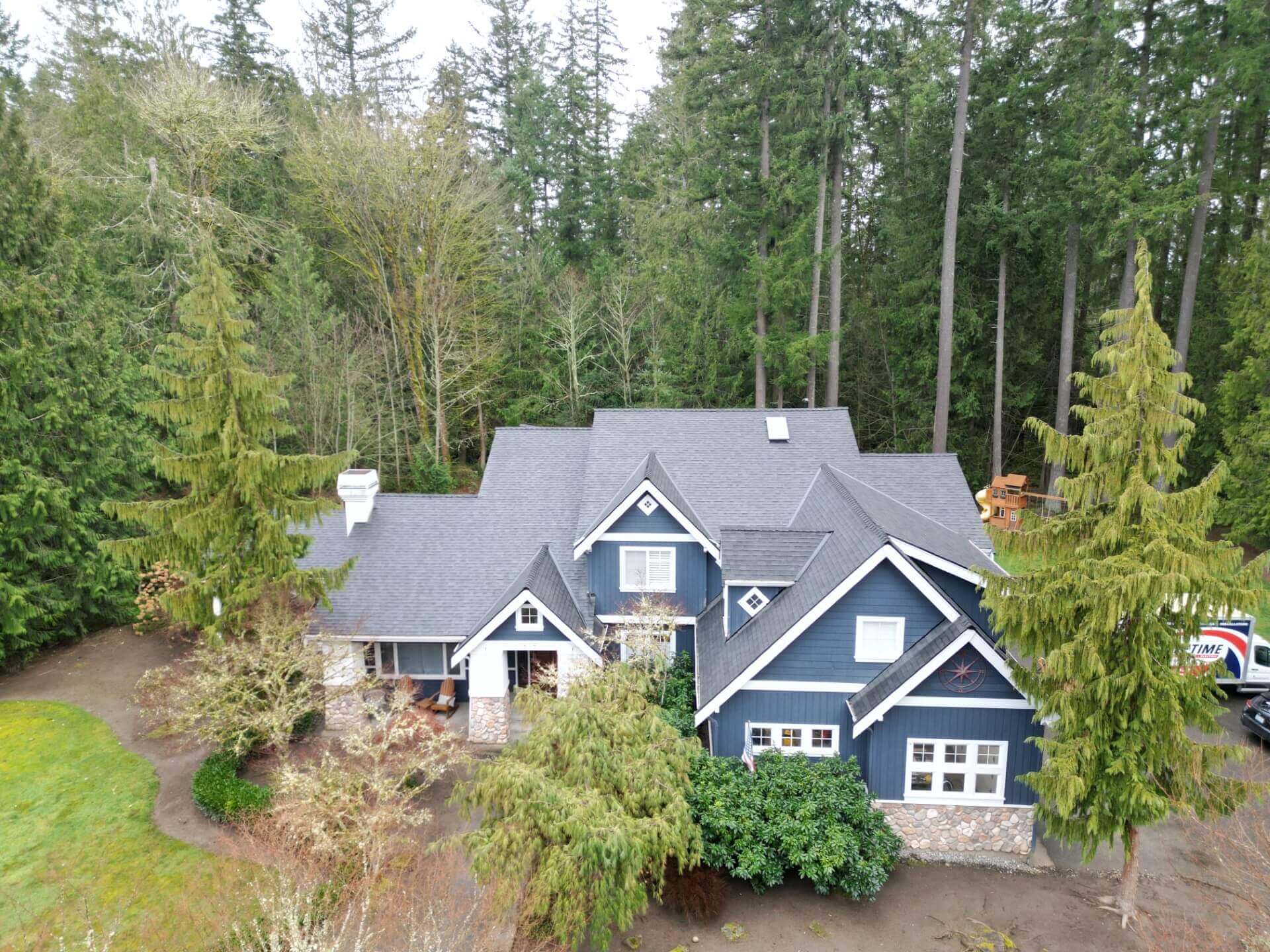
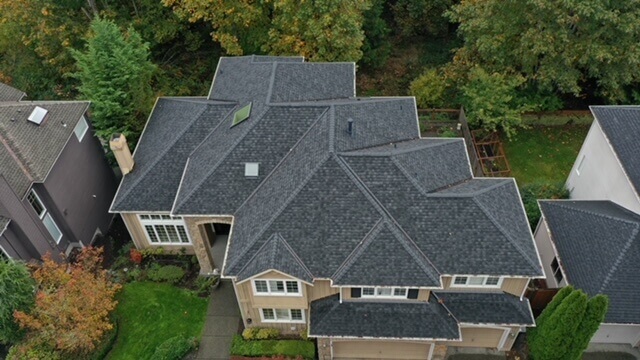
Commercial Roof Systems Photo Gallery
Redirects
Composition Shingle Roofing FAQs:
How much does composition roofing cost in Seattle?
In Seattle, prices vary based on shingle type and home size—but generally range between $4–$15 per square foot installed. Architecturals cost more than 3‑tabs but last longer. To get accurate pricing for your home, request a free estimate.
What types of composition shingles are available?
You’ll usually see:
-
3‑Tab: Budget-friendly, 15–25 yr life
-
Architectural (Dimensional): More durable and stylish, 25–30 yr life
-
Luxury/Designer: Premium look, 30–50 yr life
Will composition shingles handle Seattle windstorms?
Yes—as long as installation is solid, shingles withstand wind and coastal storms well. Wind resistance ratings are available for extra peace of mind.
Do composition roofs work in damp, moss-prone climates?
Absolutely. Properly ventilated and maintained composition shingles resist moisture—and algae/moss—effectively when cleaned annually.
How long should I expect the composition shingle roofing to last?
Expect 20–50 years, depending on composition roofing shingle quality, climate, and upkeep. Architecturals offer durability on par with more expensive options without the cost
Videos


Arizona Roofs Need Arizona Thinking
Concrete and clay tile over underlayment. Asphalt shingles working against sustained heat. Flat and low-slope areas that move water in a completely different way from a steep roof. Foam and coatings that need compatible products and honest surface preparation. Most Phoenix-area properties have more than one of these, and the transitions between them are where a lot of leaks start.


